959319_86460383

Five Arrested, Including Three Chinese Nationals, Sent to FIA Custody in Illegal Human Placenta Case

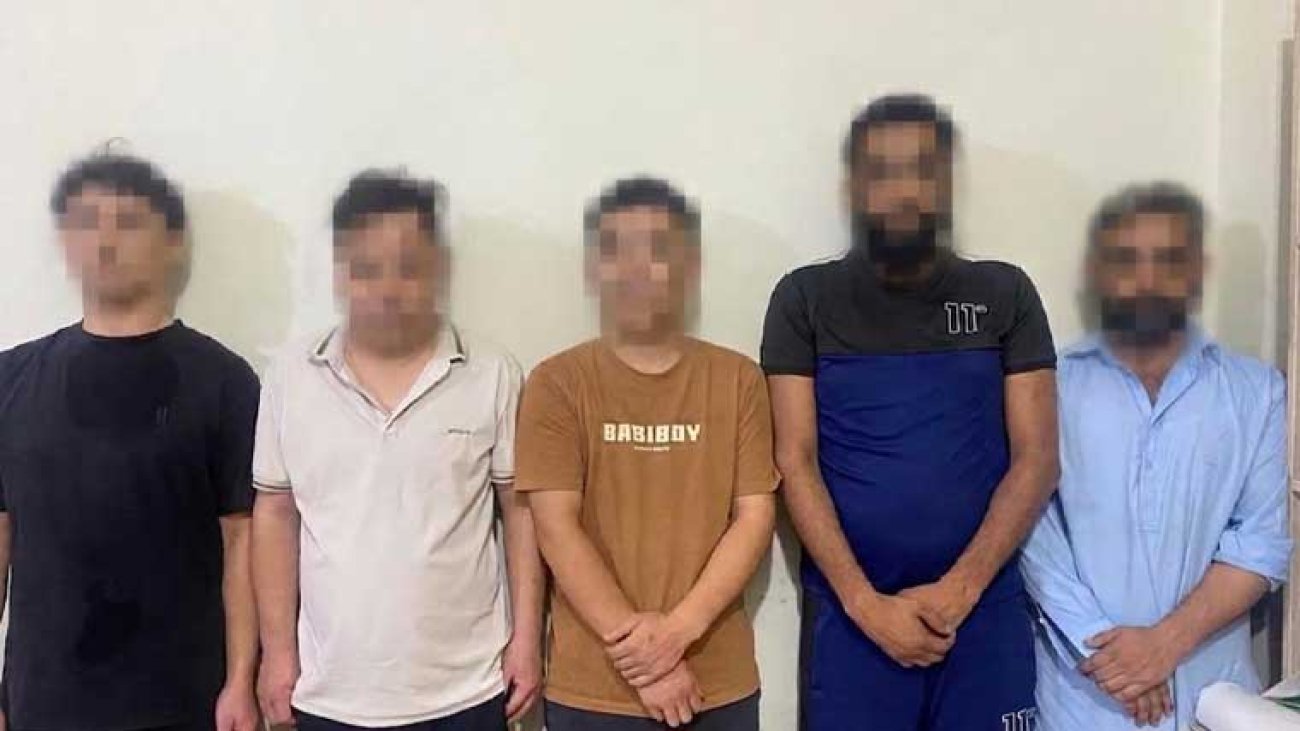
A major development has emerged in the illegal trade of human body parts case in the federal capital, where the District and Sessions Courts Islamabad have handed over five arrested suspects to the Federal Investigation Agency (FIA) on a four-day physical remand.

The suspects were presented before the court of Duty Judge Mian Azhar Nadeem by the FIA. After hearing the arguments, the court approved a four-day physical remand for the five suspects, including three foreign nationals and two Pakistani citizens, and directed that they be handed over to the FIA for further investigation.

It is worth mentioning that the FIA, along with the HOTA team, conducted a raid in Islamabad’s Sector F-7 a day earlier, arresting five individuals, including Chinese nationals. During the operation, authorities recovered a large quantity of human placenta, including fresh, dried, and processed placenta.

Also Read: Ex-DG FIA Bashir Memon’s unearthing alleged conspiracy behind reference of SC Justice Qazi Faez Esa

According to investigative sources, the suspects were allegedly involved in obtaining human placenta from various hospitals. Initial investigations indicate that the placenta was collected from hospitals in Peshawar, Rawalpindi, and Lahore before being processed and sent abroad.

Sources further claimed that the suspects allegedly exported the processed human placenta by declaring it as sheep organs in an attempt to deceive the authorities.

The court directed the FIA to produce all the suspects before the court again after the completion of their physical remand. Further investigation into the case is underway.

Ashura

Ashura Observed Across Pakistan as Security Remains on High Alert

Pakistan is observing Ashura today in remembrance of the martyrs of Karbala, with security placed on high alert across the country.

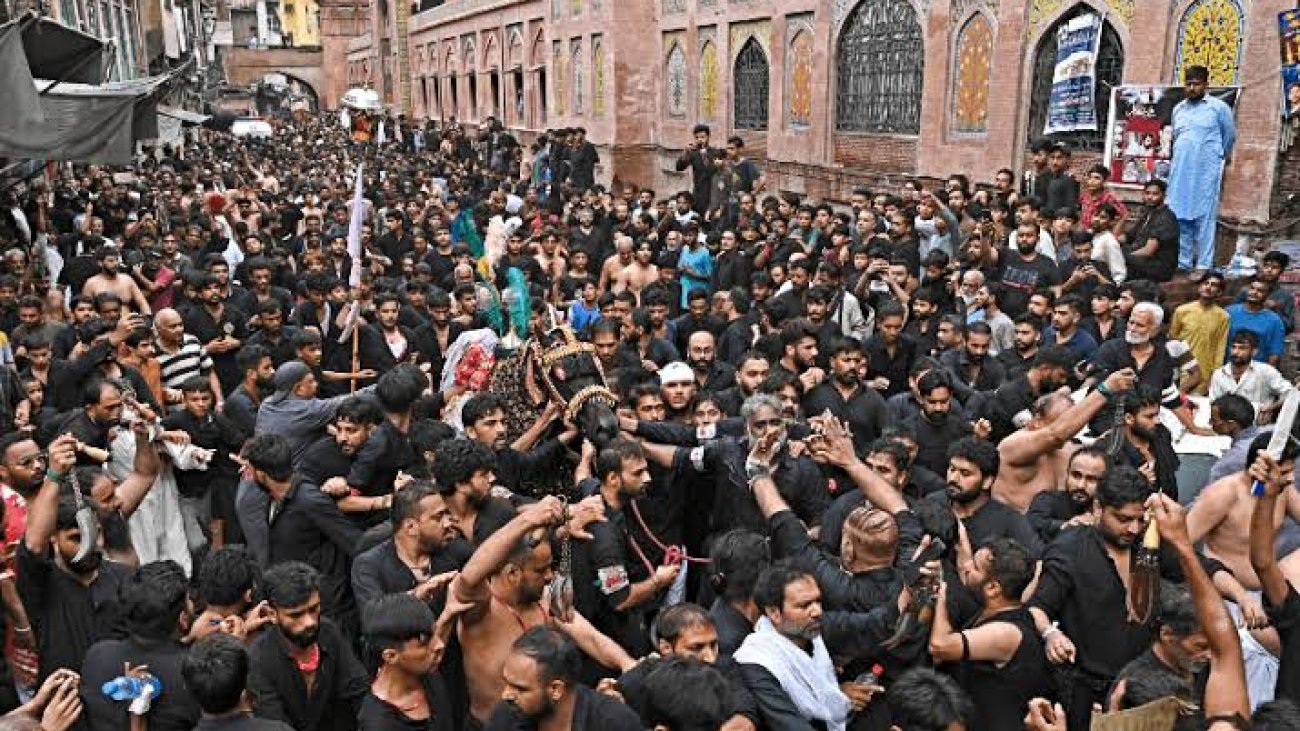
On the occasion of Ashura, processions of Shabih-e-Zuljanah are being taken out nationwide in memory of the grandson of the Holy Prophet (PBUH), Hazrat Imam Hussain (RA), and the martyrs of Karbala. Mourners are paying tribute to Hazrat Imam Hussain (RA) and his devoted companions through elegies and mourning ceremonies.

The federal and provincial governments have made extraordinary security arrangements for the processions. The routes are being monitored through CCTV cameras, while medical assistance, Sabeels (free water stalls), and other public facilities have been arranged at various locations.

According to sources, Karachi’s main Ashura procession began from Nishtar Park, where a large number of mourners are participating. The procession will pass through its traditional designated routes before concluding at Imambargah Hussainia Iranian Kharadar.

More than 5,000 police officers and personnel have been deployed for security in Karachi, while CCTV surveillance is continuously monitoring the procession routes. Sabeels have been set up at various points for mourners, and blood donation camps have also been established to provide medical support.

Read More: Pakistan Railways Outsources Commercial Management of Five Trains for Rs10.75 Billion

In Lahore, the central Shabih-e-Zuljanah procession, which started from Nisar Haveli yesterday, continues today along its traditional route. The procession will pass through different areas of the Walled City under strict security before concluding at Karbala Gamay Shah. The administration has arranged Sabeels, medical aid, and other facilities along the route.

More than 12,000 police officers and personnel have been deployed to secure the procession in Lahore. Walk-through gates, metal detectors, CCTV monitoring, plainclothes commandos, and snipers have also been stationed at key locations.

Meanwhile, Rawalpindi’s main procession started from Colonel Maqbool Imambargah and will pass through Raja Bazaar, Jamia Masjid Road, and Purana Qila before concluding at the historic Imambargah. More than 8,000 police officers and personnel have been deployed for security, while over 1,200 traffic police officials are on duty to ensure smooth traffic flow. Mourners are being screened through walk-through gates and metal detectors, while more than 2,000 Safe City and other surveillance cameras are actively monitoring the city.

In Peshawar, 12 Shabih-e-Zuljanah processions are being held. The central procession started from Imambargah Agha Syed Ali Shah Rizvi and will conclude at Imambargah Agha Mustafa Shah after passing through its designated route.

Also Read: Australian PM Calls for Transparent Investigation into Fatal Shooting of Child in Chakwal, Pakistan

Following Maghrib prayers, mourning gatherings (Majalis-e-Aza) will be held at various Imambargahs. More than 10,000 police personnel have been deployed across the city, with Frontier Corps (FC) also assisting in security operations. A supreme command post has been established at Kohati Chowk, while aerial surveillance of the processions is also being carried out.

gcc-us-minitser-meeting-in-bahrain

US-GCC Statement Outlines Key Positions on Gaza, Iran and Hormuz

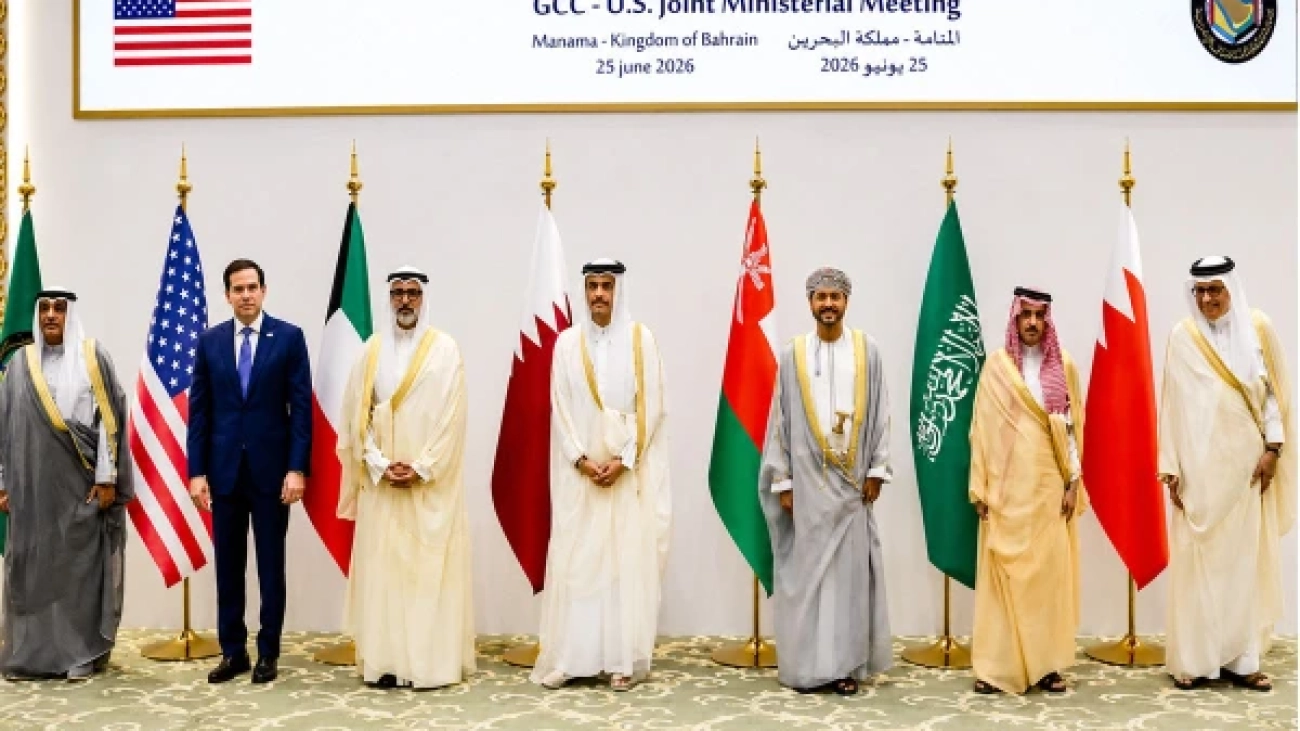
A joint communiqué issued after the United States-Gulf Cooperation Council (GCC) ministerial meeting in Bahrain outlined shared positions on regional security, Gaza, Iran, Lebanon, and the Strait of Hormuz.

According to the joint statement, participants welcomed the memorandum of understanding between the United States and Iran and praised the diplomatic mediation efforts of Pakistan and Qatar.

The communiqué rejected the forced displacement of Palestinians from Gaza, stating that no Palestinian should be compelled to leave the territory. It added that those who leave temporarily must be guaranteed the right to return. The statement also emphasized the uninterrupted delivery of humanitarian assistance and the protection of civilians.

The joint statement expressed support for the ongoing U.S.-mediated negotiations between Israel and Lebanon, saying the talks should continue despite other regional conflicts.

It further stressed that all non-state armed groups in Lebanon should be disarmed to ensure the country’s full sovereignty, and that only the Lebanese state should have the authority to use force. The participants also reaffirmed their commitment to continuing support for the Lebanese Armed Forces.

Also Read: US Military Announces End to Maritime Blockade of Iranian Ports

The GCC communiqué reiterated its opposition to Iran acquiring nuclear weapons, stating that Iran should never be allowed to develop such weapons.

The statement also expressed concern over Iran’s ballistic missile program, drone capabilities, and its allied armed groups in the region, commonly referred to as proxy networks. It said these issues should also be included in diplomatic negotiations.

The participants voiced support for free and secure maritime navigation through the Strait of Hormuz and rejected any attempts to impose tolls, fees, or control over the strategic waterway.

The joint communiqué reaffirmed the participants’ commitment to continued cooperation aimed at reducing regional tensions, respecting international law, pursuing diplomatic solutions, and promoting regional stability.

arrested crime

Five Arrested in Islamabad Over Illegal Human Placenta Trade

ISLAMABAD: Federal Investigation Agency (FIA), in coordination with the PHOTA team, raided a location in Islamabad’s Sector F-7 and arrested five individuals, including foreign nationals, on allegations of involvement in the illegal trade of human body parts.

According to the FIA, a large quantity of human placenta was recovered during the raid. Authorities seized fresh, dried, and processed placenta found at the premises.

The FIA said the suspects were involved in obtaining human placenta from hospitals in Peshawar, Rawalpindi, and Lahore. Investigators alleged that the suspects exported the placenta abroad by falsely declaring it as sheep organs.

According to the FIA, preliminary investigations revealed that the suspects had been exporting placenta to Vietnam. The agency said processed placenta is used in the manufacturing of medicines and alleged that the suspects had established a network with the assistance of local facilitators.

The FIA further stated that the recovered samples have been sent to PIMS Hospital for medical examination, while further investigations into the case are underway.

Also Read: Karachi Police Foil Drug Smuggling Attempt Using Rickshaw, Arrest Three Suspects

afghan taliban

Afghanistan Ranks Last in 2026 Children’s Rights Index

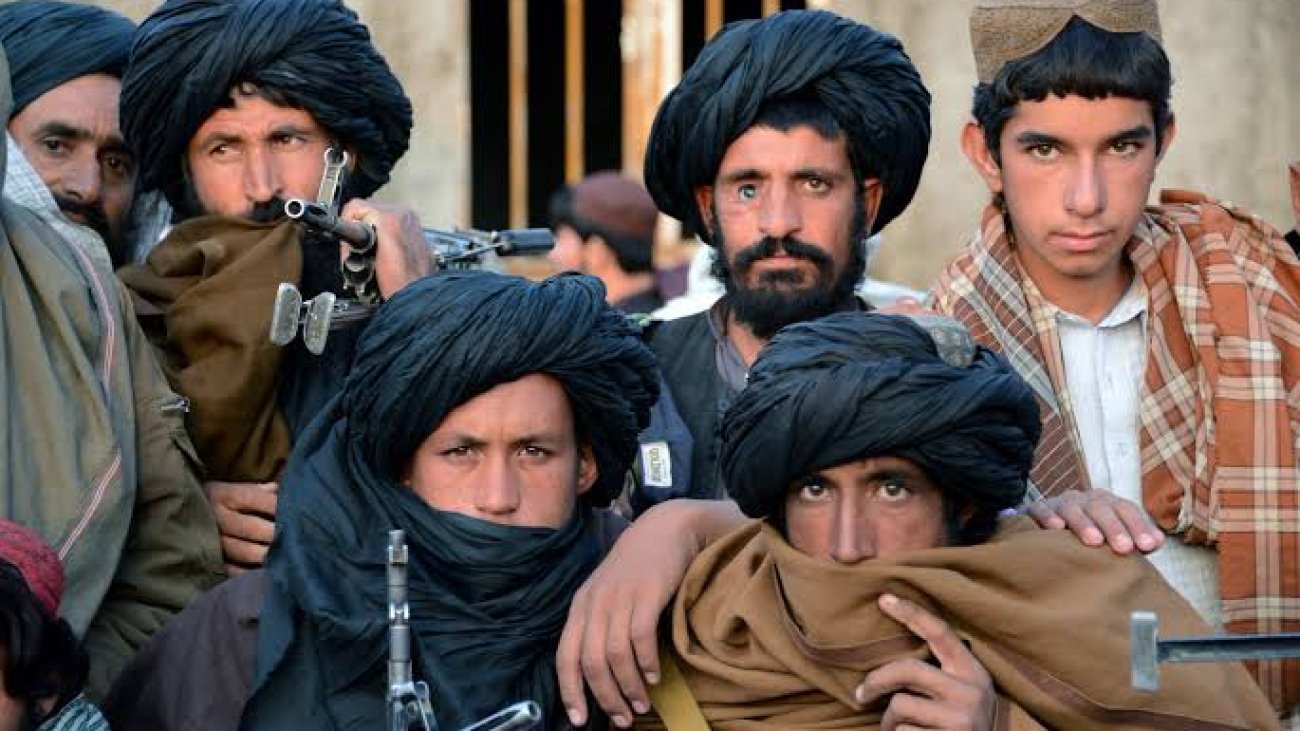
Afghanistan has ranked last among 194 countries in the 2026 Global Children’s Rights Index, raising serious concerns about the state of children’s welfare and fundamental rights in the country.

According to Xinhua, citing local broadcaster Tolo News, Afghanistan scored 0.214 points in the 2026 Global Children’s Rights Index, placing 194th out of 194 countries. The ranking represents the lowest global position in terms of the protection and promotion of children’s rights.

The report said that the situation of children’s rights in Afghanistan remains highly challenging, with significant difficulties affecting several key areas of children’s lives. These include access to healthcare services, educational opportunities, protection, and the provision of a safe environment.

The annual Global Children’s Rights Index assesses countries based on multiple indicators, including children’s health, education, protection, and living conditions. Its purpose is to evaluate how effectively countries protect children’s rights and promote their well-being in accordance with international standards.

Also Read: Iran Closes Strait of Hormuz, Cites Violations of Post-War Memorandum

According to experts, Afghanistan’s economic difficulties, humanitarian crisis, educational barriers, and limited access to basic services are having a profound impact on the condition of children. The report stressed the need for further measures to strengthen the protection of children’s rights and improve their quality of life.

The latest ranking comes at a time when the international community continues to express concern over the challenges facing humanitarian assistance, education, and healthcare in Afghanistan.

Venezuela

Twin Earthquakes Devastate Venezuela, Death Toll Reaches 167

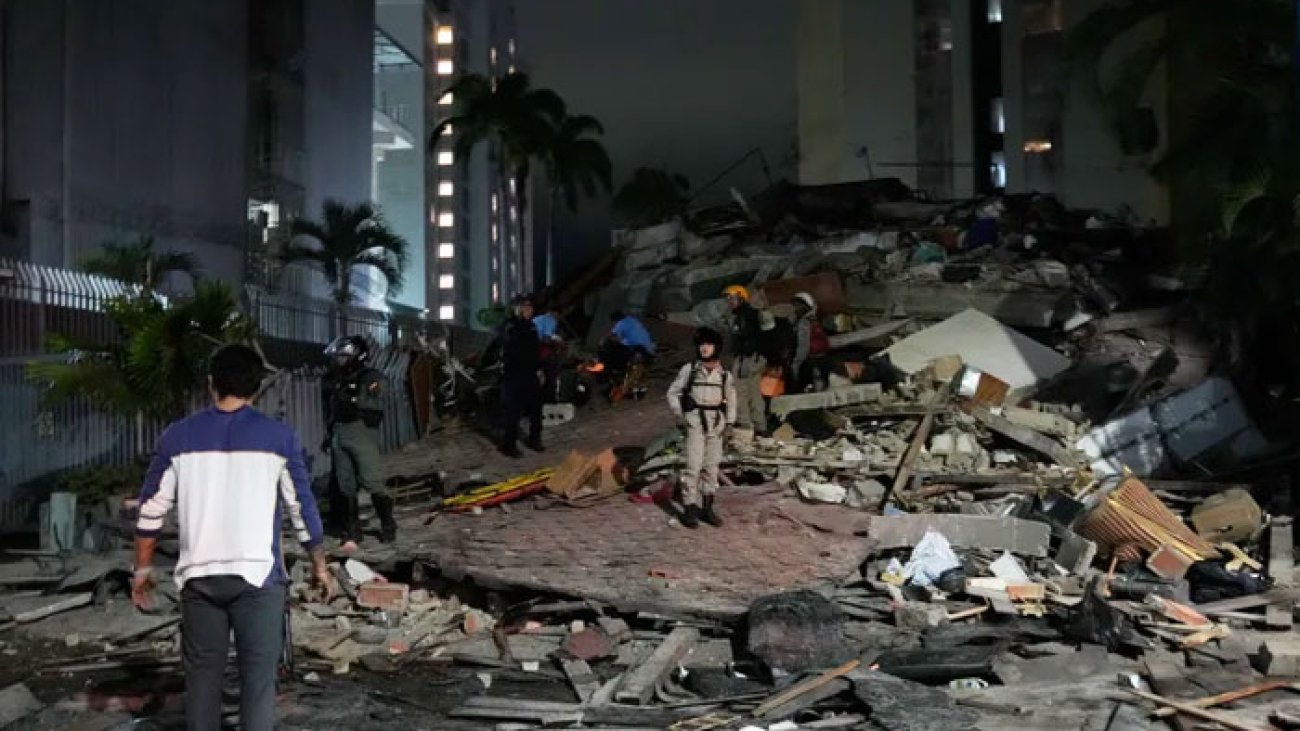
A series of powerful earthquakes struck Venezuela, causing widespread destruction across the country, with fears that the final death toll could rise significantly.

According to the United States Geological Survey (USGS), the first earthquake measured 7.1 in magnitude and was followed within minutes by a second, more powerful 7.5-magnitude earthquake. The earthquakes struck at around 6:00 p.m. local time, shaking buildings across the affected areas.

Reports said that dozens of buildings collapsed in several cities, including the Venezuelan capital, Caracas. Authorities fear that a large number of people remain trapped beneath the rubble.

Venezuela’s Acting President, Delcy Rodríguez, described the earthquakes as a national tragedy, stating that numerous buildings had been destroyed. She also confirmed that Caracas’ central Maiquetía Airport had sustained severe damage. According to official figures, 167 people have been confirmed dead, while more than 970 others have been injured.

Following the declaration of a state of emergency, the government launched large-scale rescue and relief operations across the affected regions.

Also Read: PM Shehbaz, Field Marshal to Attend Iran–US MoU Signing Ceremony in Geneva

The USGS has warned that the earthquakes could ultimately result in between 10,000 and 100,000 fatalities.

Meanwhile, a separate 5.6-magnitude earthquake struck northern California in the United States, prompting authorities to issue alerts to one million residents.

U.S. President Donald Trump said the initial reports from Venezuela were not encouraging and indicated that a large number of people had died. He added that U.S. agencies had been instructed to provide immediate assistance.

Separately, Iran expressed deep sorrow over the deadly earthquakes and offered to assist Venezuela with relief efforts. Iranian Foreign Ministry spokesperson Esmaeil Baghaei said Iran was prepared to provide all necessary assistance for humanitarian and rescue operations, adding that the country stands with the government and people of Venezuela during this difficult time.

Marco Rubio

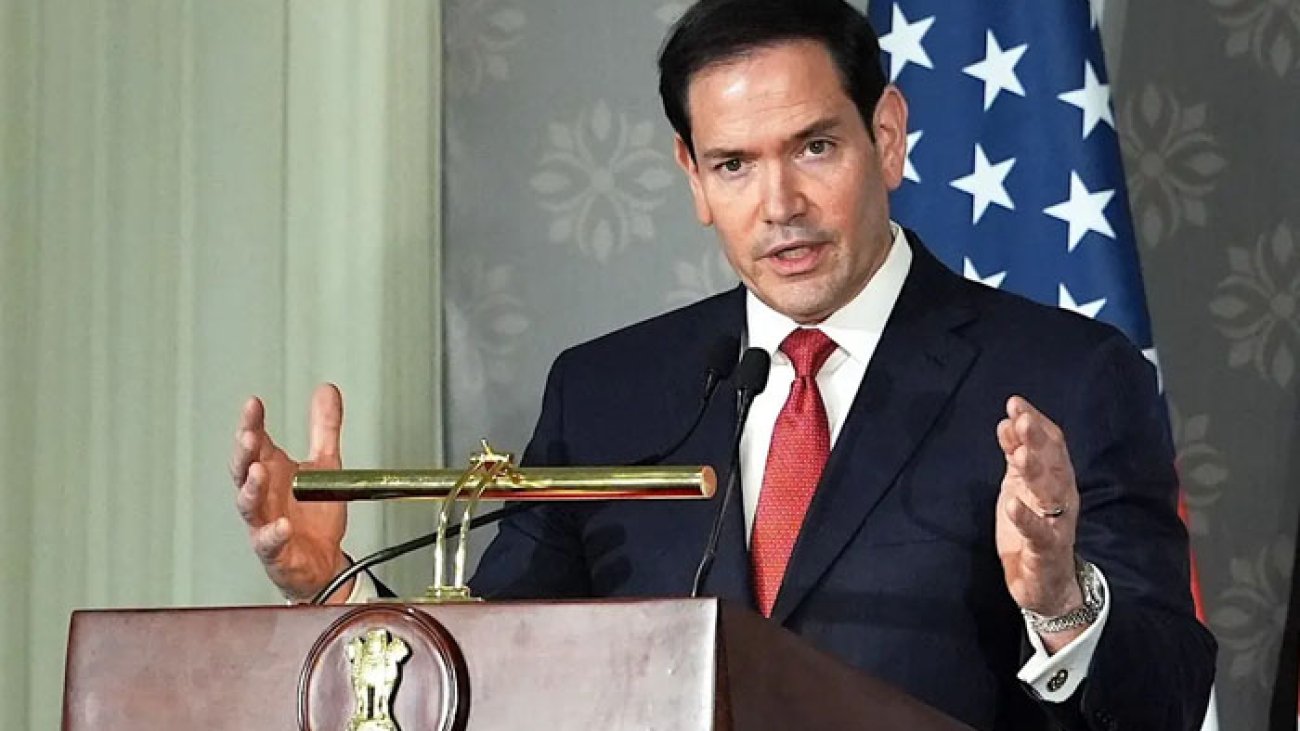
Rubio Says No Country Can Impose Fees on Ships Passing Through Strait of Hormuz

U.S. Secretary of State Marco Rubio has stated that no fees will be charged for vessels transiting the Strait of Hormuz, emphasizing that no country has the authority to impose taxes or tolls on ships passing through the strategic waterway.

Speaking after a meeting with leaders of the Gulf Cooperation Council (GCC) countries, Rubio said that GCC member states had opposed the imposition of toll taxes on vessels using the Strait of Hormuz.

He further said that any disruption to maritime traffic through the Strait of Hormuz would constitute a violation of the agreement. Rubio added that the proposed agreement with Iran would also include provisions to safeguard the security of Gulf allies.

The U.S. Secretary of State noted that Gulf countries had expressed several serious concerns during the discussions. However, he clarified that no talks were held with the Gulf states regarding a reconstruction fund for Iran.

Rubio also described Iran’s support for proxy groups in the region as an obstacle to peace.

Also Read: Iran Accuses World Cup Organisers of Unfair Restrictions, Vows FIFA Complaint

Commenting on transatlantic security, Rubio said that the refusal to provide military bases had weakened the U.S.-Europe alliance, adding that the threat posed by Iran was greater for Europe than for the United States.

He reiterated that every possible effort would be made to ensure the success of an agreement with Iran.

BISP

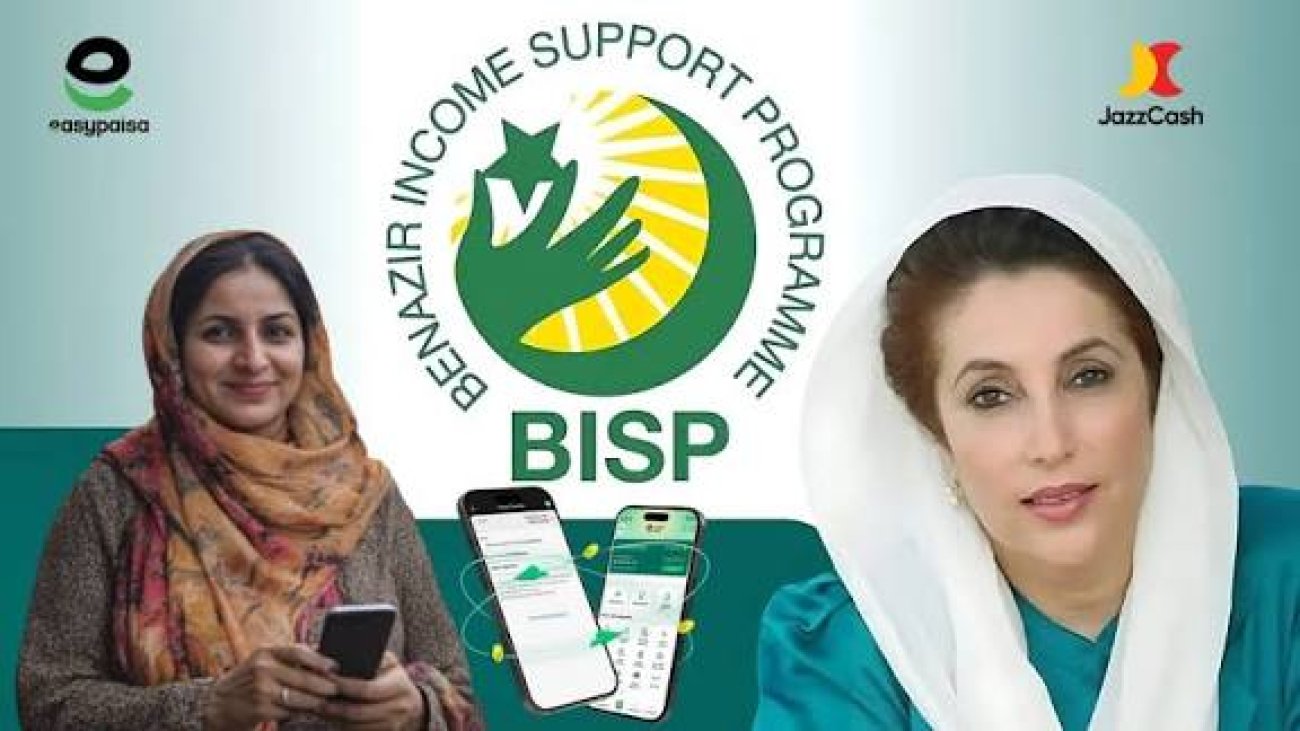
Audit Uncovers Rs25 Billion Irregularities in Benazir Income Support Programme

ISLAMABAD: A government audit report for the fiscal year 2024-25, conducted during the 2025-26 audit cycle, has revealed financial irregularities exceeding Rs25 billion in the Benazir Income Support Programme (BISP), citing weak profiling mechanisms, system deficiencies, and regulatory shortcomings.

According to the audit report, serious flaws were identified in the profiling of spouse data within the BISP Management Information System (BISP-MIS).

The audit highlighted financial issues involving more than 601,850 cases, amounting to over Rs25 billion. Among the anomalies identified was a case in which 5,558 women were recorded as having the same husband, reflecting significant weaknesses in data management and verification procedures.

The official audit document, available to the media, stated that during fiscal year 2024-25, BISP disbursed Rs515.712 million under its Unconditional Cash Transfer (UCT) programme to 12,078 government employees, pensioners, or their spouses, despite a federal cabinet directive issued on December 24, 2019, which explicitly excluded government employees and their spouses from receiving such benefits.

The audit detailed the irregular payments as follows:

  • Serving government employees: Rs25.20 million was paid to 673 beneficiaries in grades 1 to 16, while Rs0.09 million was paid to eight beneficiaries in grade 17.
  • Spouses of serving government employees: Rs402.80 million was disbursed to 9,124 beneficiaries linked to employees in grades 1 to 16, while Rs2.54 million was paid to 87 beneficiaries associated with employees in grades 17 to 20.
  • Pensioners: Rs7.41 million was paid to 218 beneficiaries in grades 1 to 16, while Rs0.70 million was disbursed to 22 beneficiaries in grades 17 and 18.
  • Spouses of pensioners: Rs74.16 million was paid to 1,847 beneficiaries linked to pensioners in grades 1 to 16, while Rs2.81 million was disbursed to 107 beneficiaries associated with pensioners in grades 17 to 20.

The audit report attributed the irregular payments to weaknesses in beneficiary profiling and verification processes. Following the findings, the Departmental Accounts Committee (DAC) directed authorities to immediately block the identified beneficiaries and recover the amounts paid to them.

Also Read: Pakistan Railways Outsources Commercial Management of Five Trains for Rs10.75 Billion

Punjab Police

Punjab Police Spent Over Rs41 Billion in Additional Funds in One Year

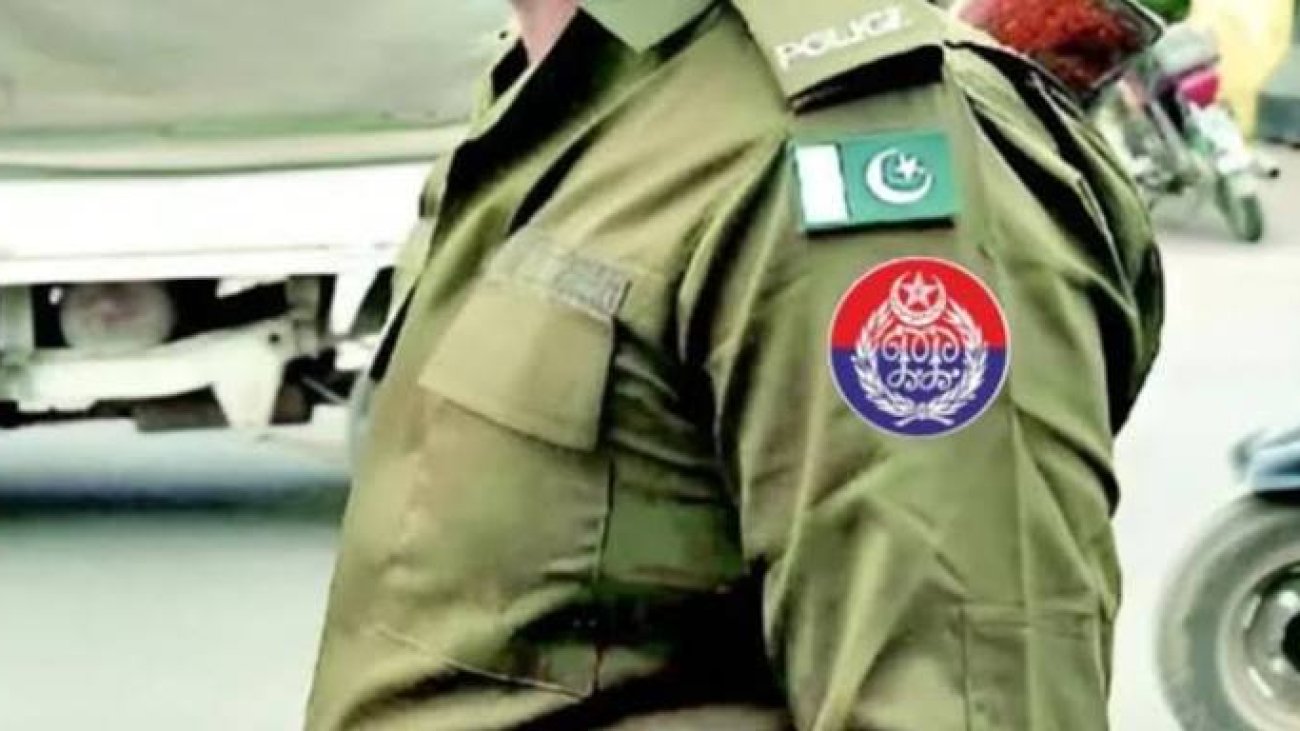
LAHORE: Punjab Police incurred more than Rs41 billion in additional expenditures over the course of a year, according to details presented in the provincial assembly regarding supplementary spending for the fiscal year 2025-26.

According to the report submitted to the assembly, the additional funds were spent on various security arrangements, operational requirements, and procurement projects across the province.

The report stated that Rs430 million was spent on the purchase of specialized equipment for the Counter Terrorism Department (CTD).

More than Rs50 million was used to repair vehicles that were either damaged or set on fire during protests by a religious-political party. In addition, the Crime Control Department received a supplementary grant exceeding Rs1.33 billion.

The submitted details further revealed that a grant of Rs460 million was allocated to expand the jurisdiction of the CTD in the Dera Ghazi Khan and Koh-e-Suleman regions.

Also Read: Human Leg Discovered in Islamabad’s Karachi Company Area, Police Investigating

To strengthen crowd-control capabilities across the province, more than Rs890 million was spent on the Anti-Riot Force to manage demonstrations and protests.

The report also showed that Rs1 billion was spent on the purchase of 20 state-of-the-art armored security vehicles for the police force. Furthermore, tear gas shells worth Rs450 million were procured for use in dispersing and controlling protests.

The expenditure details were presented as part of the Punjab Police’s supplementary spending report for the fiscal year 2025-26.

Maulana Fazlur Rehman

AJK Tensions Could Rise Due to Khawaja Asif’s Remarks, Says Fazlur Rehman

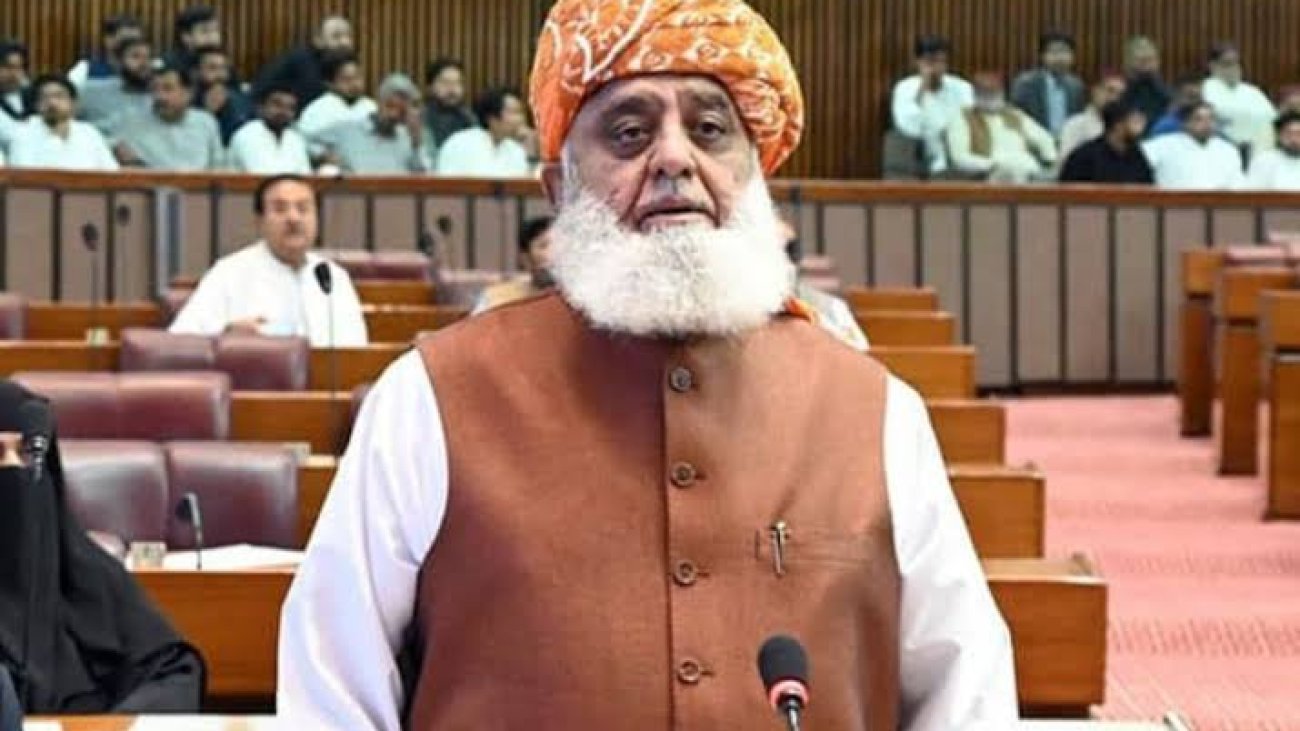
ISLAMABAD: Jamiat Ulema-e-Islam-F (JUI-F) chief Maulana Fazlur Rehman has welcomed the decision of the Public Action Committee to postpone its planned march toward Muzaffarabad, saying the move was a positive step.

Addressing the National Assembly, Maulana Fazlur Rehman said he had responded to the committee’s letter through a video message and had also informed the government about the matter.

Questioning the state’s response to public speeches, he asked how action based solely on speeches could be considered an appropriate reaction. He said that until recently, Pakistan had spoken about human rights in Indian-administered Kashmir, and questioned what message was now being conveyed through current actions.

The JUI-F chief also criticized Defence Minister Khawaja Asif’s recent remarks, saying such comments should not have been made in his capacity as defence minister. Referring to differing approaches within the government, he remarked that conflict appeared to have been entrusted to Khawaja Asif while reconciliation had been left to Deputy Prime Minister Ishaq Dar.

Maulana Fazlur Rehman said that while the government was earning recognition internationally for promoting global peace, it was losing goodwill within Pakistan. He warned that statements like those made by Khawaja Asif could increase tensions and urged the government not to force the opposition into confrontation.

Also Read: Barrister Gohar Directs PTI Lawmakers to Support Federal Budget

Highlighting his party’s political strength, he said JUI-F had gathered hundreds of thousands of people at a public meeting in Charsadda and challenged the ruling party to demonstrate a similar show of support.

The JUI-F leader further said that Pakistan’s military should remain focused on defending the country’s borders, but alleged that it was being used within the country. He stressed that his party respected the establishment and all state institutions, but said that if election results were altered, his party would respond. Likewise, he said, if institutions entered politics, they would receive a political response.

Maulana Fazlur Rehman stated that his party would not remain silent, saying, “We are not mute and we will not become silent spectators.” He added that if institutions used taxpayers’ money for political purposes, the matter would be raised and challenged on the floor of the National Assembly.