Election Commission of Pakistan

Election Commission Delists Two Political Parties Over Failure to Hold Intra-Party Elections

ISLAMABAD — The Election Commission of Pakistan (ECP) has delisted two political parties for failing to hold intra-party elections, reducing the total number of registered political parties to 159.

The Election Commission has continued its action against inactive political parties, delisting the Pakistan Freedom Movement and Pakistan Tehreek-e-Ittehad. Both parties were delisted for not conducting intra-party elections.

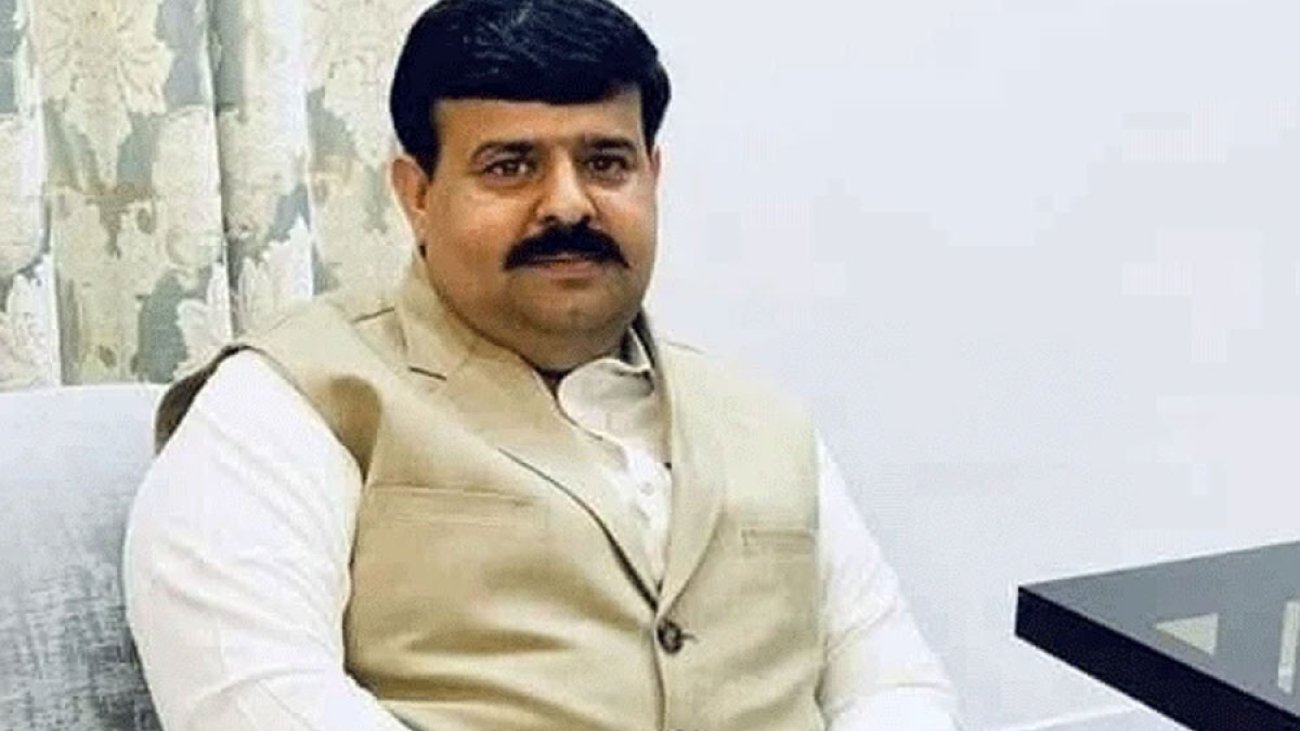
Meanwhile, the Election Commission heard an appeal filed by Shahid Khaqan Abbasi against the proposed delisting of the Awam Pakistan Party.

During the hearing, Shahid Khaqan Abbasi said the Election Commission had ordered the party on January 7 to conduct intra-party elections within 60 days. He said the party held its elections within the stipulated period and submitted the record to the Election Commission.

Also Read: Rawalakot Election Could Be Held by August 20 or 21 if Sit-In Resolved: AJK Chief Election Commissioner

Abbasi further stated that the party had not violated any requirement concerning amendments to its constitution. He said the Election Commission had issued its decision without hearing the party.

Chief Election Commissioner told Abbasi that if he wanted to submit any record against the Election Commission’s decision, he could do so.

The Election Commission reserved its decision on whether the appeal was maintainable.

abdullah-Tahir

Three Suspects Including TikToker Lareeb Named in PTI Leader Abdullah Tahir Murder Case

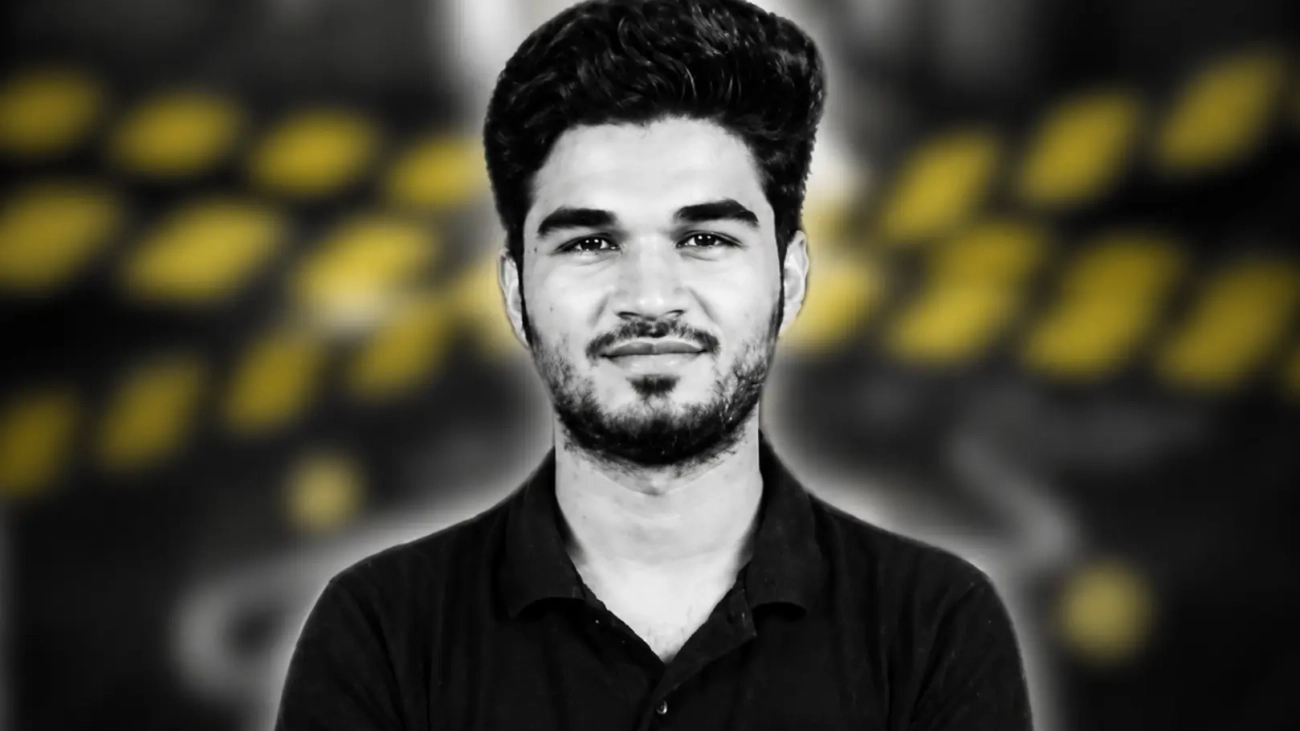
LAHORE — Significant progress has been reported in the murder case of Pakistan Tehreek-e-Insaf (PTI) leader Abdullah Tahir, with police naming three suspects already in custody in the case.

According to police sources, TikToker Lareeb and Abdullah Tahir’s driver, Asghar, have been nominated in the case. Lareeb and Asghar were named for allegedly providing Abdullah Tahir’s location to the suspects and facilitating the crime. The suspect accused of conducting reconnaissance has also been nominated in the case.

A total of five suspects, including those recently nominated, are currently in the custody of the Crime Control Department (CCD) police. However, police have so far been unable to arrest the alleged main shooter, Arslan, and two other shooters.

Also Read: PTI Leader Abdullah Tahir Murder Case: TikToker Arrested for Alleged Honey-Trap Plot

Meanwhile, a hearing was held at the Lahore Sessions Court on TikToker suspect Lareeb Shahzadi’s post-arrest bail application in the murder case, in which she was arrested on allegations of facilitation.

Ghulam Abbas Chadhar, a member of the Punjab Bar Council, submitted the power of attorney on behalf of the complainant, while Advocate Azhar Mayo appeared on behalf of the accused.

The police requested additional time to submit the case record. The court accepted the request and adjourned the hearing until September 10. The post-arrest bail application of Lareeb Shahzadi was heard by the Additional Sessions Judge.

The case has been registered by the Ghalib Market Police Station.

Mir Raza

Mir Raza Case: Final Exhumation Report Raises Questions Over Suicide Narrative

KARACHI: A significant development has emerged in the murder case of young Karachi businessman Mir Raza, with the final examination report following his exhumation raising serious questions over the previously reported suicide narrative.

The final examination report prepared by a medical board headed by the Police Surgeon Karachi states that Mir Raza died after a bullet injury caused his heart to rupture.

According to the report, the bullet entered from the upper left side of Mir Raza’s back and travelled through his body before exiting from the front left side of his chest.

The medical board found that the bullet fractured the sixth rib and severely damaged a lung. Blood had accumulated in the chest, while two injuries were also found on the heart. The board concluded that the fatal injury caused the heart to rupture, resulting in death.

The report also found a high concentration of gunshot residue (GSR) at the bullet’s entry point on the back. GSR was also detected around the bullet holes in the shirt worn by Mir Raza.

According to the final examination report, the available evidence regarding Mir Raza’s death was not consistent with the suicide narrative. The report also documented an injury to his head and a fracture in part of his skull.

Also Read: Mir Raza Case: 9 Samples Sent to Karachi University Destroyed, Reports of 4 Received by Police

A toxicology examination detected the local anaesthetic drug bupivacaine in Mir Raza’s samples. However, no other narcotic, psychoactive or poisonous substance was detected in the tested samples.

The DNA examination also confirmed Mir Raza’s identity. According to the report, genetic samples obtained from the body matched those of his parents with 100 percent compatibility.

The final report carries the names and signatures of eight members of the medical board, including the convener, senior member, other board members, a forensic expert, a forensic identification expert and a pathologist.

Meanwhile, the high-level investigation team of Sindh Police received the final report of the second post-mortem conducted after Mir Raza’s exhumation on August 31, 2026.

Police said the report was being made public in view of public interest and the progress of the investigation. The investigation team is conducting a detailed review of the findings and will proceed further in light of the evidence contained in the forensic and medical reports.

The latest findings are expected to play an important role in determining the circumstances surrounding Mir Raza’s death and in guiding the ongoing investigation.

PIMS Islamabad

Crackdown on Islamabad Hospitals After PIMS Tragedy, Fines Exceed Rs14 Million

ISLAMABAD: Authorities have launched a crackdown on fire and life safety violations at public and private hospitals and medical centres across Islamabad following the PIMS tragedy.

According to sources, inadequate fire and life safety arrangements were found at 48 government and private hospitals and medical facilities in the federal capital, prompting the Capital Development Authority (CDA) to impose a combined fine of Rs140.5 million on the institutions.

The fines were issued on August 30 and 31, with penalties ranging from Rs50,000 to Rs500,000 for violations of fire safety regulations.

PIMS, Polyclinic Hospital and Capital Hospital were each fined Rs500,000. Another prominent hospital in Islamabad was also slapped with a Rs500,000 penalty.

Sources said the CDA had previously issued multiple notices to several of the institutions over inadequate fire safety arrangements. PIMS had received six notices, Polyclinic seven, Capital Hospital six, while the prominent hospital had been issued nine notices.

Also Read: Mustafa Kamal’s Resignation Likely to Be Accepted After PIMS Tragedy: Sources

Inspections reportedly identified serious shortcomings in fire detection systems, alarms, emergency exits and firefighting equipment at various hospitals and medical centres.

The CDA has directed all affected institutions to strictly comply with prescribed fire and life safety standards and improve their safety arrangements.

Sources said the authority has decided to adopt a zero-tolerance policy towards fire safety violations. Further action may be taken against hospitals and medical centres that fail to bring their facilities up to the required standards.

The crackdown follows the recent tragedy at the Pakistan Institute of Medical Sciences (PIMS), where a fire in the neonatal ward reportedly claimed the lives of 14 newborn babies, prompting heightened scrutiny of fire safety arrangements at healthcare facilities in the capital.

Mustafa Kamal

Mustafa Kamal’s Resignation Likely to Be Accepted After PIMS Tragedy: Sources

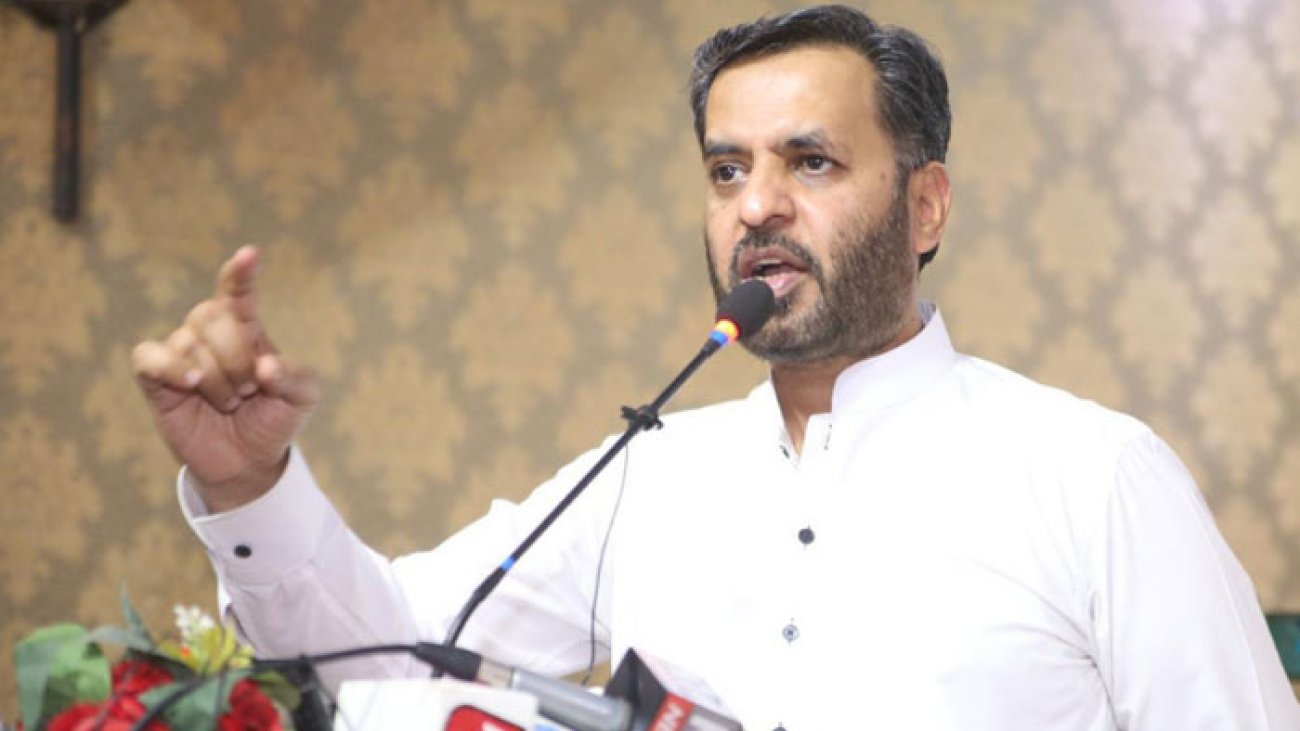
ISLAMABAD: Prime Minister Shehbaz Sharif is likely to accept the resignation of Federal Health Minister Mustafa Kamal following the recent tragedy at the Pakistan Institute of Medical Sciences (PIMS), sources said.

According to local media outlet Ausaf, State Minister for Health Dr Mukhtar Bharat is likely to be appointed as the Federal Minister for Health once Kamal’s resignation is formally accepted.

The expected change in the federal health ministry comes in the wake of the tragic incident at PIMS, where 14 newborn babies were reportedly killed in a fire that broke out in the hospital’s neonatal ward.

The incident has raised serious questions over safety arrangements and emergency response measures at the country’s leading public-sector medical facility.

Also Read: PM Orders Suspension, Criminal Proceedings Against Eight Officials Over PIMS Fire

The reported resignation and possible change in leadership at the Ministry of National Health Services are expected to draw further attention to accountability and safety standards at public hospitals.

No official announcement regarding the acceptance of Mustafa Kamal’s resignation or the appointment of Dr Mukhtar Bharat as federal health minister had been made at the time of reporting.

Jail Prison

Pakistan’s Jails Overcrowded as Under-Trial Prisoners Outnumber Capacity

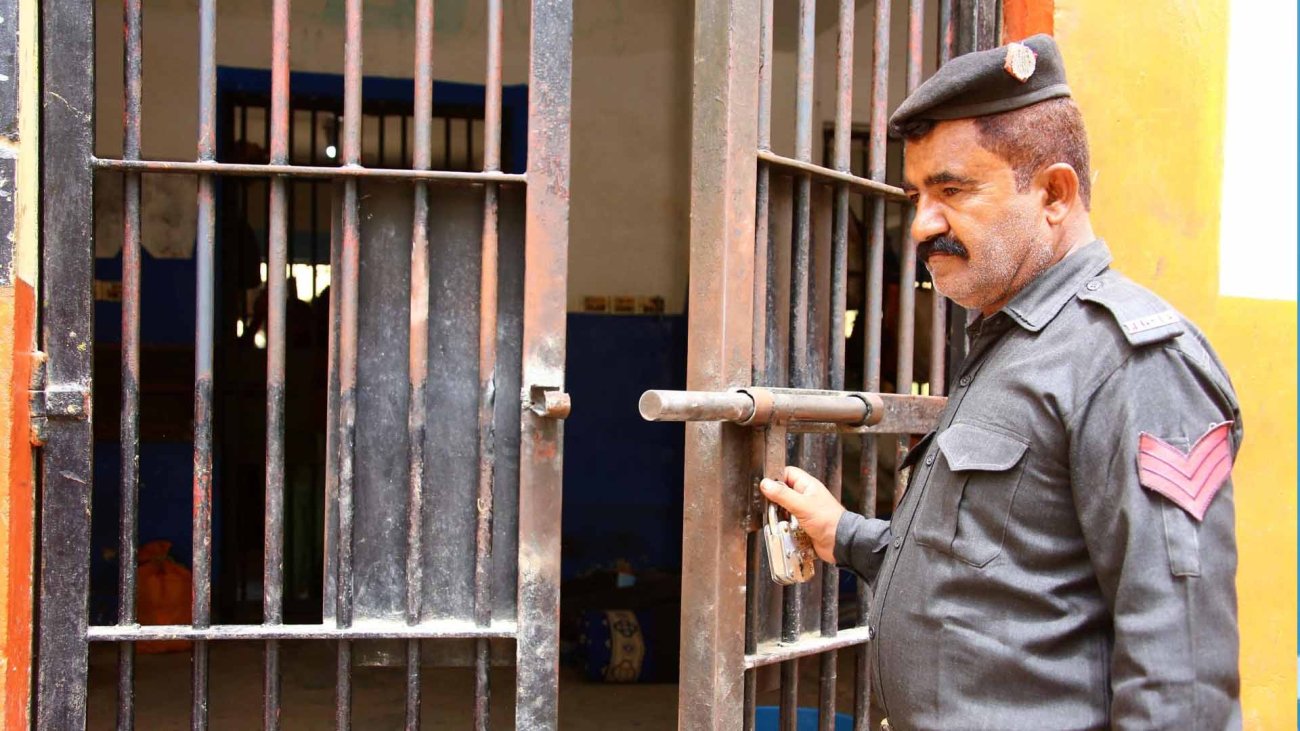
ISLAMABAD: Pakistan’s prisons are facing severe overcrowding as the growing number of under-trial prisoners continues to put pressure on the country’s already limited jail capacity, with delays in court proceedings being cited as a major factor.

According to available figures, prisons across the country have a combined capacity of around 64,000 inmates, while approximately 110,000 prisoners are currently being held in jails nationwide.

The situation is particularly critical in Punjab, where 45 prisons have the capacity to accommodate around 38,000 inmates. However, approximately 70,000 prisoners are currently incarcerated in the province, meaning the prison population is nearly twice the available capacity.

Of the 70,000 prisoners in Punjab, only around 16,000 are convicted, while the vast majority are under trial.

Sindh is also facing significant overcrowding. The province has 23 prisons with a combined capacity of around 14,000 inmates, but approximately 25,000 prisoners are currently housed in its jails.

Also Read: Sohail Afridi Warns of Sit-in at National Assembly, Threatens to Block Federal Budget

Only around 4,000 of the prisoners in Sindh are convicted, indicating that the overwhelming majority are awaiting the conclusion of their cases.

In Khyber Pakhtunkhwa, 39 prisons currently hold approximately 11,382 inmates. Of these, only around 2,000 are convicted prisoners, while the remaining inmates are under trial.

The figures highlight the mounting pressure on the country’s prison system, with under-trial inmates making up a substantial proportion of the prison population. The prolonged pendency of cases has contributed to prisoners remaining in custody for extended periods before their trials are concluded.

The growing prison population has also raised concerns about overcrowding, living conditions and the ability of jail administrations to provide adequate facilities to inmates.

Imam-ul-Haq

PCB Inquiry Report Raises Questions Over Imam-ul-Haq’s Reported Injury During New Zealand Tour

LAHORE: An inquiry report by the Pakistan Cricket Board (PCB) into national batter Imam-ul-Haq’s reported injury during Pakistan’s tour of New Zealand in March 2025 has surfaced, with sources claiming that the investigation held the cricketer responsible for allegedly faking the injury.

According to sources, Imam-ul-Haq was struck on the foot by a ball during a net session on March 28, 2025. However, an X-ray reportedly found no evidence of a fracture.

The inquiry committee allegedly noted that the black mark visible on Imam’s toe was not caused by natural bleeding and claimed it appeared to have been made with ink or a marker.

Sources said Imam denied before the committee that he had applied any artificial substance to his toe. However, the committee reportedly rejected his explanation, stating that it was inconsistent with the medical evidence and X-ray findings.

The report also allegedly claimed that Imam was observed limping while under supervision but walked normally when he was out of sight of those monitoring him.

According to the sources, doctors had advised him against walking, but he nevertheless walked approximately 500 metres and also attended an iftar dinner.

Also Read: Jemima Goldsmith Urges UK Leaders to Speak Out Over Imran Khan’s Detention

The inquiry committee reportedly concluded that there was no medical basis for declaring Imam unfit for the first ODI against New Zealand.

Sources further claimed that the committee recommended a ban on Imam representing Pakistan across all formats. The allegation against the batter was that he wanted to avoid opening on New Zealand’s fast and challenging pitches.

However, the PCB subsequently forgave Imam, according to the sources, allowing him to become eligible for selection again.

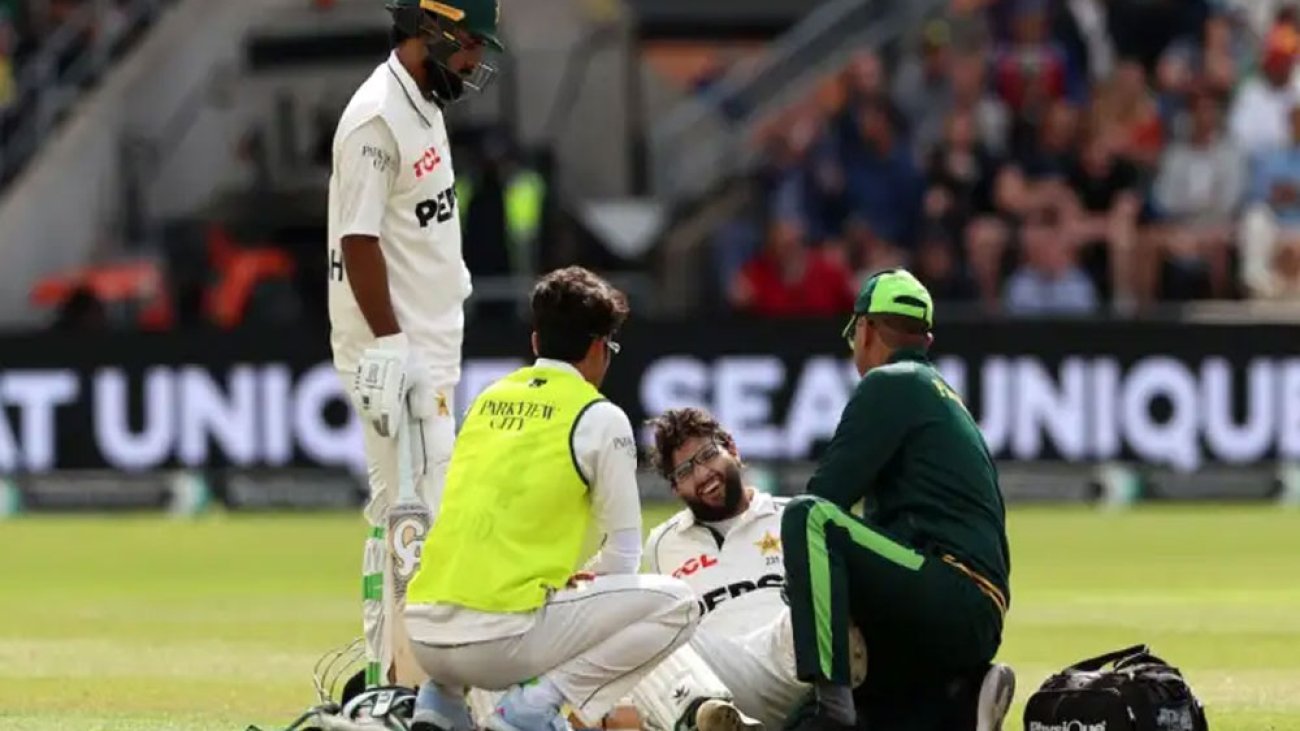
The resurfacing of the inquiry report has also raised questions about Imam’s latest injury. Despite the team needing his services on the previous day, Imam did not come out to bat.

He had suffered a calf injury during the Lord’s Test, and the latest setback has attracted additional scrutiny because of the allegations surrounding his previous injury during the New Zealand tour.

The claims contained in the inquiry report have been attributed to sources, and the allegations against Imam-ul-Haq should be distinguished from independently established medical findings or a publicly confirmed PCB disciplinary decision.

Court

IHC Rejects Pleas by Three Prisoners Seeking Private Hospital Treatment

ISLAMABAD: The Islamabad High Court (IHC) has rejected petitions filed by three prisoners seeking access to private hospital treatment and telephone communication with family members living abroad, ruling that such facilities cannot be claimed as an inherent legal right.

Justice Muhammad Asif issued a written judgment on a petition filed by prisoner Muhammad Ismail. The court dismissed two petitions submitted by inmates of Adiala Jail, who had sought treatment at a private hospital, the constitution of a medical board and permission to communicate with family members overseas by telephone.

The court observed that the petitioner had failed to establish that an August 2 office order was unlawful or that it violated his fundamental rights.

According to the judgment, a prisoner has no legal right to demand transfer to a private hospital of his own choice. The court noted that imprisonment necessarily involves restrictions on liberty imposed in accordance with law and that every facility available to an inmate cannot automatically be treated as a fundamental right.

The IHC held that the primary responsibility for providing medical treatment to prisoners rests with the state and the administrative system of government hospitals. However, where the required treatment is not available at a government hospital, treatment at a private hospital may be considered on the recommendation of a medical board.

The court directed jail authorities to continue providing prisoners with all necessary medical facilities in accordance with the Pakistan Prison Rules, 1978.

Also Read: Supreme Court Clears Way for Hearing of PTI Contempt Petition in Imran Khan Case

Regarding telephone contact with family members residing abroad, the court observed that authorities may consider requests for communication through WhatsApp, video calls or other available means where such facilities are permissible under the law. Any such communication, however, would remain subject to jail discipline, security requirements and the applicable prison rules.

During the proceedings, reference was also made to the transfer of former prime minister and PTI founder Imran Khan to Shifa Hospital. The court observed that judgments of the Supreme Court are binding on high courts, but noted that the Supreme Court’s August 18 directions were interim in nature and the case cited in the proceedings remains pending before the apex court.

Therefore, the high court said, an interim order could not be treated as a final determination of the issue.

The IHC further clarified that the absence of treatment for a prisoner cannot, without the opinion of a medical board, automatically be declared a violation of a fundamental right. It noted that prison rules already provide a procedure for transferring inmates to outside hospitals when medically necessary.

The ruling effectively reaffirmed that prisoners are entitled to necessary medical care, but access to a privately chosen hospital or specific communication facilities remains subject to medical recommendations, applicable laws, prison regulations and security considerations.

221206434a7aab4

Gul Plaza Administration Failed to Address Known Deficiencies, Judicial Commission Finds

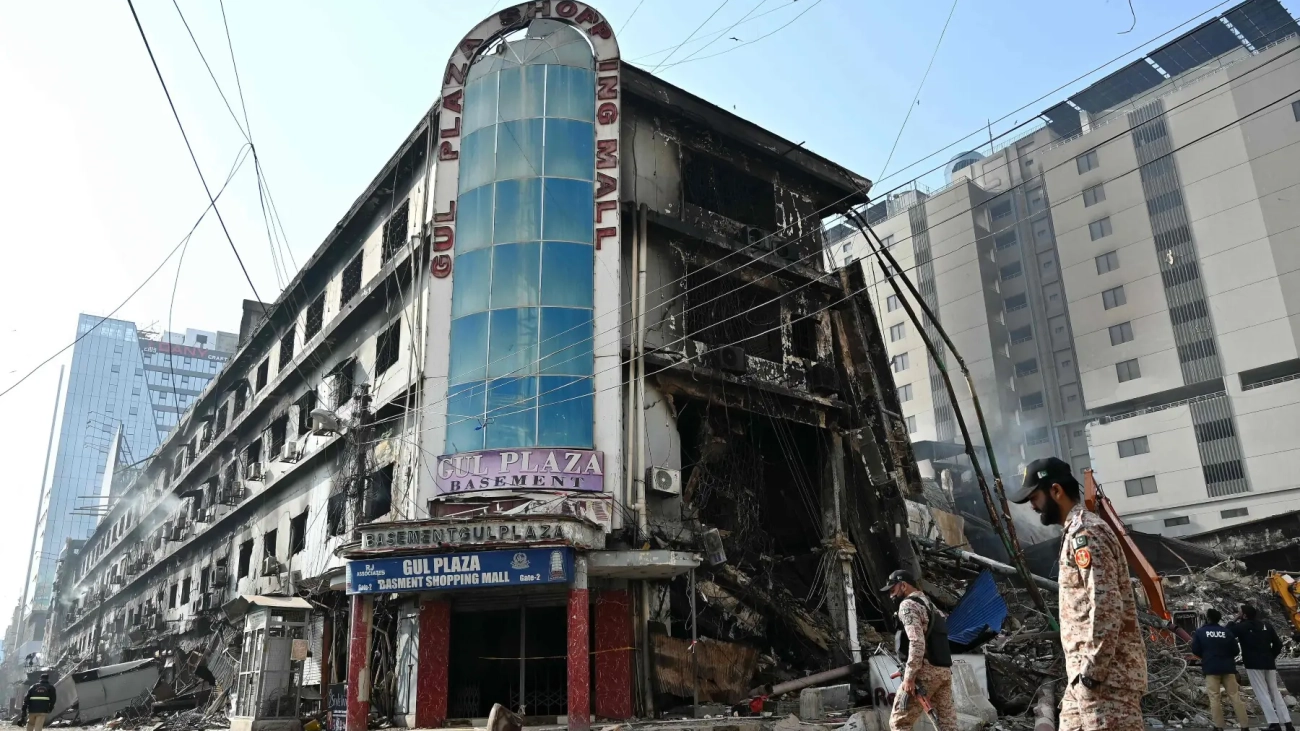
KARACHI: The Sindh Home Department has released the judicial commission’s report into the Gul Plaza fire, concluding that the shopping centre remained in commercial use despite being declared hazardous and violating fire-safety regulations, while its administration failed to rectify known deficiencies.

The commission examined the responsibilities of various parties involved in the tragedy and identified multiple institutional and administrative failures that contributed to the loss of life.

According to the report, Civil Defence inspections conducted in 2024 and 2025 had already identified the absence of essential fire-safety equipment at Gul Plaza. The reports also flagged the presence of combustible materials and deficiencies in emergency exits.

Despite these findings, no effective measures were taken to address the identified shortcomings, the commission observed.

The report said the notification of the fire to the fire brigade was delayed in an “extremely unwise” manner. The subsequent disconnection of electricity plunged the building into darkness, further reducing the chances of people on the upper floors escaping.

Although a speaker system was installed in the building, it was not used during the emergency, the commission found.

The report also highlighted overcrowding and the excessive presence of combustible goods. While the regularised plan of Gul Plaza provided for 1,102 shops, there were actually 1,153 shops operating in the building.

Rescue Response Also Questioned

The judicial commission raised serious questions about the response of the fire brigade and rescue authorities.

It said the fire brigade took longer than its own prescribed response standards to arrive, while effective firefighting operations began approximately 35 to 40 minutes after the incident.

Also Read: “No Fire-Safety Arrangement at PIMS Met International Standards”: Probe Report Submitted to PM Shehbaz

A shortage of water and the need for refilling affected both firefighting and rescue operations. The commission termed the failure to ensure an effective initial water supply, despite claims that water was available at fire stations, a significant administrative question.

The report further stated that emergency personnel arrived after the fire had broken out, but an opportunity for an effective rescue operation still remained.

According to the commission, rescue was possible between 11:00am and 11:20am, when some victims could still be seen. Access to the building through the ramp also remained possible until around 11:30am, but Rescue 1122 failed to turn the available window into a large-scale rescue operation.

The commission concluded that people died not only because of the fire but also because of delays, darkness and blocked exits. It said the failure to use available rescue opportunities in a timely manner contributed to the death toll.

Multiple Institutional Failures Identified

The report said the deficiencies identified in 2024 and 2025 were not followed by effective corrective action. Even after the courts became operational in 2025, legal proceedings were not taken forward effectively.

The commission said Civil Defence’s failure was not due to a lack of awareness of the danger, but rather a failure to ensure implementation of safety requirements.

It also observed that the Sindh Building Control Authority (SBCA) could not escape responsibility merely by maintaining that inspections were conducted on the basis of complaints.

The report identified failures in the building’s safety systems, auditing mechanisms, institutional coordination, firefighting arrangements and emergency response.

It further noted that the law required regular inspection of electrical installations and equipment. However, according to the statement of the Electrical Inspector, no formal electrical inspection of Gul Plaza had been carried out.

The commission concluded that responsibility for the tragedy could not be confined to a single institution or a single government. Various institutions exercising legal, regulatory, building-control, firefighting and emergency-response functions existed during different periods, but the overall system failed to operate effectively.

Fire Claimed More Than 70 Lives

The Gul Plaza fire broke out on January 17, 2026, at the well-known shopping centre on Karachi’s M.A. Jinnah Road.

The blaze continued for three days, killing more than 70 people, while the shopping centre was completely destroyed.

The judicial commission’s findings point to a combination of known safety violations, inadequate enforcement, delayed emergency response and institutional failures as key factors behind the scale of the tragedy.

bilawal bhutto

Social Media Buzzes With Unverified Reports of Bilawal Bhutto Zardari’s Marriage

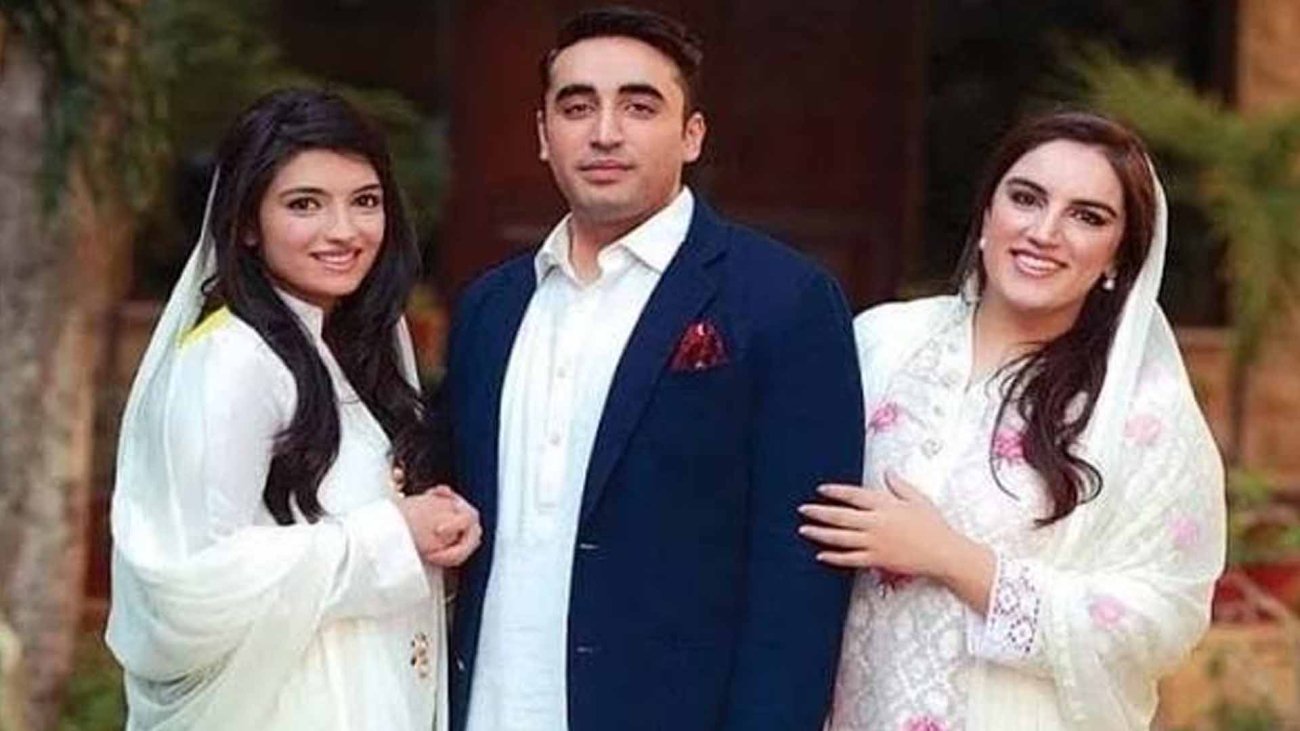
ISLAMABAD: Social media platforms are abuzz with unverified reports claiming that Pakistan Peoples Party (PPP) Chairman Bilawal Bhutto Zardari is set to tie the knot with a European woman, with some journalists alleging that his family is currently working to finalize the marriage arrangements.

Senior journalist Alina Shigri claimed that former president Asif Ali Zardari was currently in Vienna to finalize the date for Bilawal Bhutto Zardari’s wedding. She further claimed that the prospective bride was not Pakistani but European, and congratulated PPP supporters on the reported development.

Separately, Islamabad-based journalist Tayyab Baloch claimed that Bilawal was set to marry into a prominent European royal family and that Zardari was in Liechtenstein in connection with the proposed match.

According to the claims circulating online, the prospective bride is said to belong to the House of Liechtenstein, the princely family associated with the small European country of Liechtenstein, located between Switzerland and Austria.

The House of Liechtenstein is one of Europe’s prominent princely houses and is widely regarded as one of the continent’s wealthiest royal families.

Also Read: Bilawal Says Real Battle Is Between Islamabad and Lahore, Not PPP and PML-N

Baloch’s claim also drew a reaction from senior journalist Hasnat Malik, who referred to it as a major development concerning the “Prince Bilawal” in a post on social media.

However, there has been no official confirmation or denial so far from the Pakistan Peoples Party, the Presidency, Bilawal Bhutto Zardari himself, or his family regarding the reported marriage or the identity of the alleged prospective bride.

The claims therefore remain unverified, and no wedding date or other formal details have been announced by the family or party authorities.