
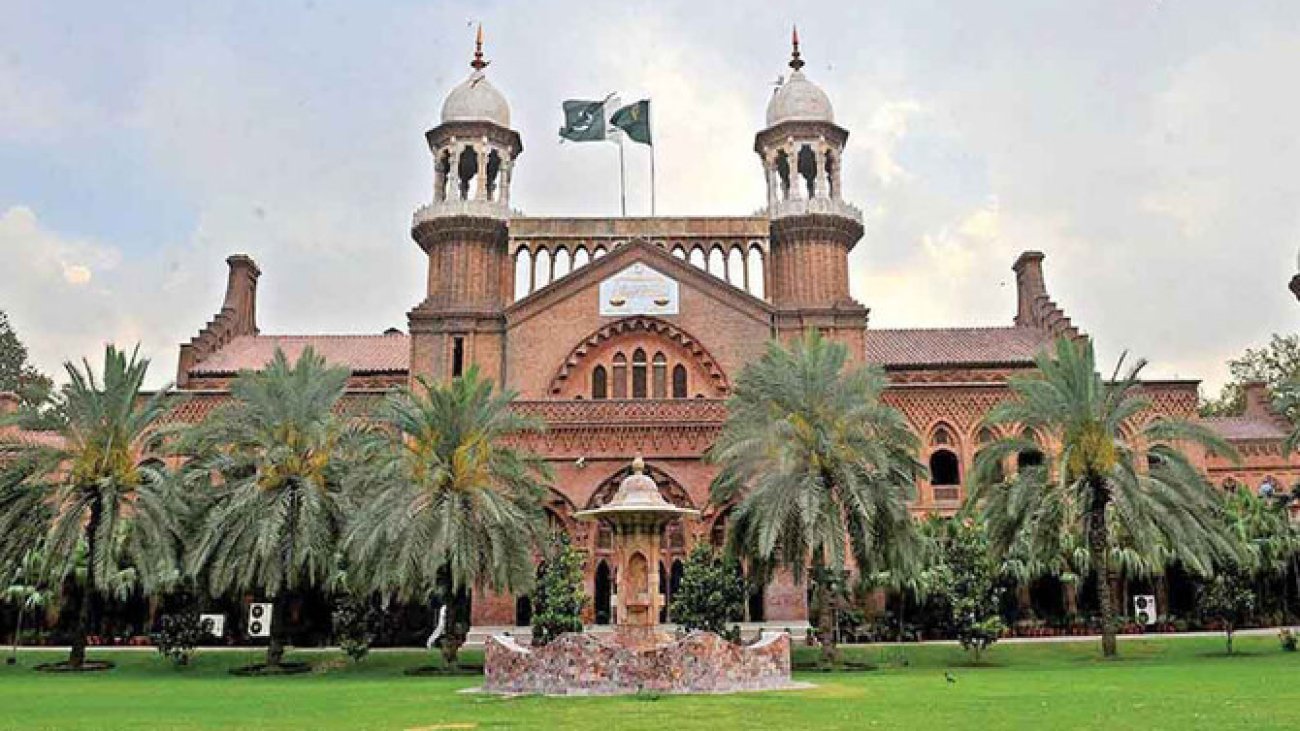
The Lahore High Court has issued its detailed judgment rejecting the appeals filed by the convicts against their death sentences in the motorway gang rape case.
A two-member bench headed by Justice Shehbaz Rizvi released the 17-page judgment, stating that crimes of this nature against women create fear and insecurity in society. The court observed that unnecessary leniency in such grave offences would be against the principles of justice and the dignity of the law.
According to the written verdict, DNA evidence is one of the most reliable means of establishing the truth. The blood samples collected from the crime scene matched the DNA of convict Abid Ali. The court said forensic evidence supported the prosecution’s case and that the convicts’ mere denial could not outweigh the strong medical, eyewitness, and forensic evidence presented before the court.
The judgment further stated that the convicts completely violated human dignity and the sanctity of a woman’s autonomy. It described the offence as one of the worst forms of sexual violence and said the crime had shaken the conscience of the court. The court observed that the actions of the convicts spread fear, insecurity, and anxiety in society, describing the crime as extremely brutal and inhumane. It also noted that the victim’s credible testimony alone could be sufficient to uphold the conviction.
The Lahore High Court further stated that in sexual assault cases, the victim’s statement carries exceptional importance when supported by medical and forensic evidence. The court noted that the victim identified both convicts without hesitation during the trial and had also correctly identified them during the identification parade. It added that the convicts did not raise any objection to the identification parade procedure.
The judgment emphasized that the identity of the victim in rape cases must remain confidential as required by law and cannot be disclosed under any circumstances. It further directed that trial courts should not allow questions during cross-examination that could reveal the victim’s identity. The court also noted that the victim’s medical examination confirmed evidence of sexual assault and resistance, while DNA obtained from the victim’s clothing and samples matched both convicts.
The court also ruled that the absence of recorded statements from the minor children did not affect the prosecution’s case. It upheld the death sentences awarded to convicts Abid Malhi and Shafqat Baga.
The judgment noted that the Lahore High Court had announced its decision rejecting the convicts’ appeals against their sentences on June 3, 2026.