Hezbollah

US Sanctions Nine Hezbollah-Linked Individuals Over Lebanon Peace Process

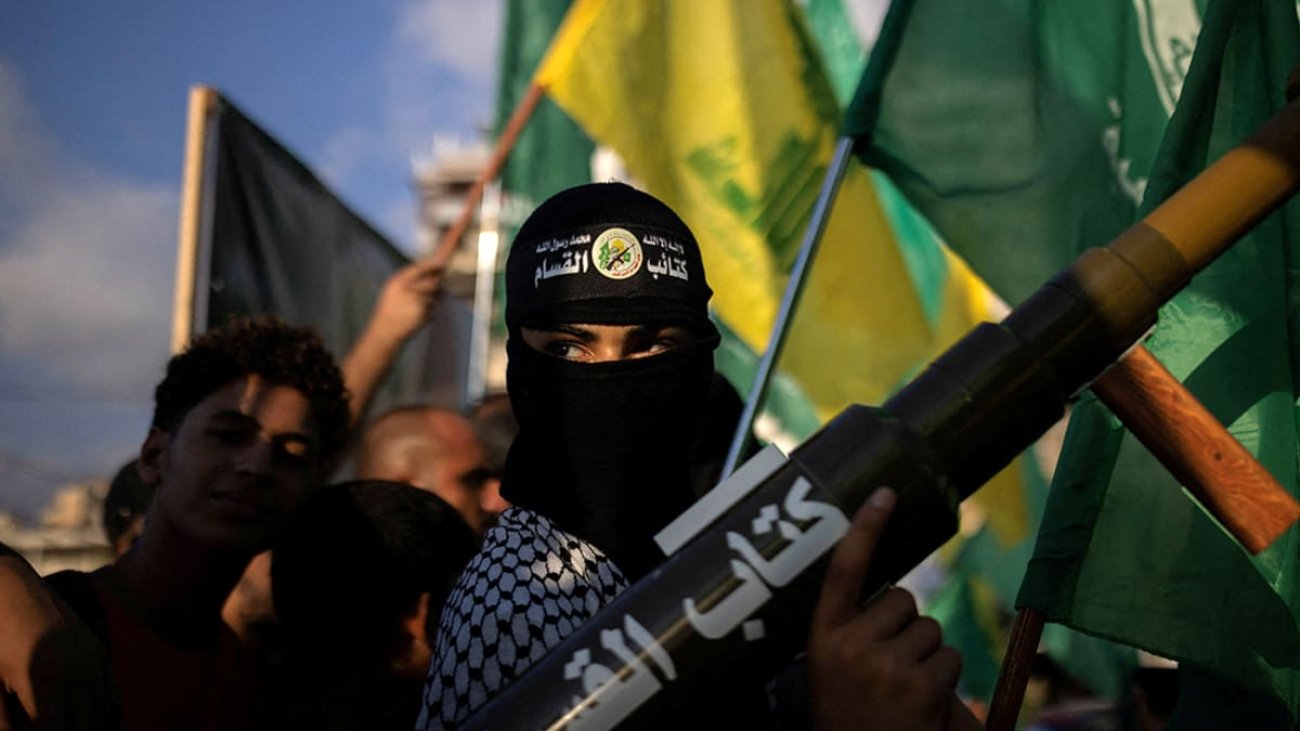
US Treasury Department has imposed new sanctions on nine individuals linked to Hezbollah, accusing them of sabotaging the peace process in Lebanon and obstructing efforts to disarm the group.

According to US officials, the sanctioned individuals are associated with Lebanon’s parliament, security and military institutions.

The Treasury Department’s Office of Foreign Assets Control announced on Thursday that nine individuals had been added to the sanctions list over allegations of supporting Hezbollah’s influence in Lebanon and creating obstacles in the peace process.

US Treasury Secretary Scott Bessent said in a statement that Hezbollah is a terrorist organisation and must be fully disarmed. He said the Treasury Department would continue taking action against officials who, while serving in Lebanese government institutions, are assisting Hezbollah.

US officials said the sanctioned individuals include senior political and parliamentary representatives of Hezbollah, who are accused of advancing the group’s interests and pressuring the Lebanese government.

Those placed on the sanctions list include Mohammad Abdel-Motaleb Fneish, Hassan Fadlallah, Ibrahim Moussawi and Hussein El-Hajj Hassan, who are considered associated with Hezbollah’s political and parliamentary wing.

According to the statement, Hassan Fadlallah has represented Hezbollah in the Lebanese parliament since 2005, while Ibrahim Moussawi heads Hezbollah’s media committee. Hussein El-Hajj Hassan is accused of playing a key role in opposing efforts to disarm Hezbollah.

The US Treasury also imposed sanctions on Iran’s nominated ambassador, Mohammad Reza Sheibani. The statement claimed that Lebanon had rejected his nomination and ordered him to leave Beirut.

In addition, Amal Movement security officials Ahmad Assad Baalbaki and Ali Ahmad Safi were also sanctioned. US officials said both individuals worked with Hezbollah to pressure opposing political forces in Lebanon and were involved in actions against Israel.

The statement also said that some officials of the Lebanese army and the General Directorate of General Security had provided information to Hezbollah. Brigadier General Khodr Nasreddine and Colonel Samir Hamadi were also included in the sanctions list in this regard.

According to the US Treasury Department, all assets of these individuals in the United States have been frozen following the sanctions, while US citizens and institutions have been barred from carrying out financial or commercial transactions with them.

The statement warned that US and foreign individuals or financial institutions violating the sanctions could also face strict legal action and possible secondary sanctions.
Saudi Arabia

Saudi Arabia Praises Trump’s Decision to Delay Possible Iran Strikes

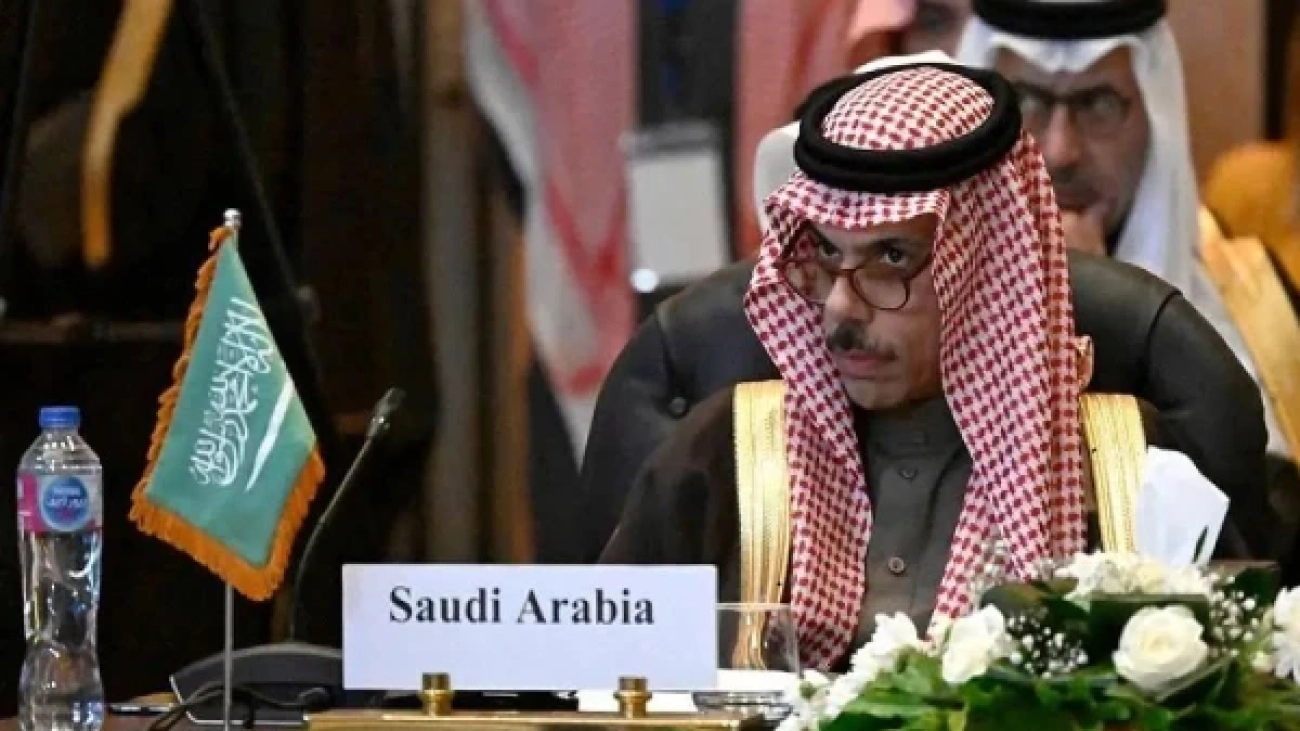
Saudi Arabia has praised U.S. President Donald Trump’s restraint and patience, saying his decision to give priority to negotiations instead of fresh attacks is a welcome step.

According to an international news agency, Saudi Foreign Minister Faisal bin Farhan said in a statement on social media that Saudi Arabia welcomed President Trump’s decision to postpone possible attacks on Iran.

He said Saudi Arabia considers the move an important step toward reducing tensions in the region and advancing a diplomatic solution. The Saudi foreign minister also appreciated what he described as President Trump’s goodwill.

Faisal bin Farhan said postponing the attacks would provide more time for negotiations and give diplomacy an opportunity to reach an acceptable agreement that could help end the war, restore peace in the region and ensure freedom of maritime movement in the Strait of Hormuz.

The Saudi foreign minister also urged Iran to respond immediately and positively to efforts aimed at moving the negotiations forward so that a comprehensive agreement could be reached.

Separately, U.S. President Donald Trump said talks with Iran had entered their “final stages.” However, he added that further action could also be taken if Tehran did not reach an agreement.

Ebrahim Azizi

US-Iran Tensions Persist as Tehran Says Trump Understands “Only the Language of Power”

Tensions in the Middle East remain unresolved, as the parties involved have so far failed to reach a final settlement to the ongoing dispute.

According to an international news agency, the failure of the United States and Iran to agree on a peace deal has led both sides to use increasingly harsh language against each other.

Iran has once again issued a strong message to the United States, saying that US President Donald Trump understands only the language of power.

The statement was made by Ebrahim Azizi, head of the National Security Committee of the Iranian Parliament. He said the United States’ decision to refrain from launching new attacks was the result of Iran’s military capability and national unity.

In a statement posted on social media platform X, Azizi said President Trump’s hesitation to carry out new military attacks against Iran was based on one clear reality.

According to Azizi, President Trump knows well that any action against Iran would mean facing a decisive military response and a united nation.

President Trump had said a day earlier that the United States had postponed a planned attack on Iran to give diplomatic negotiations a chance.

Trump said he made the decision to delay the attacks at the request of the leaders of Saudi Arabia, Qatar and the United Arab Emirates, as there were possibilities of progress in negotiations.

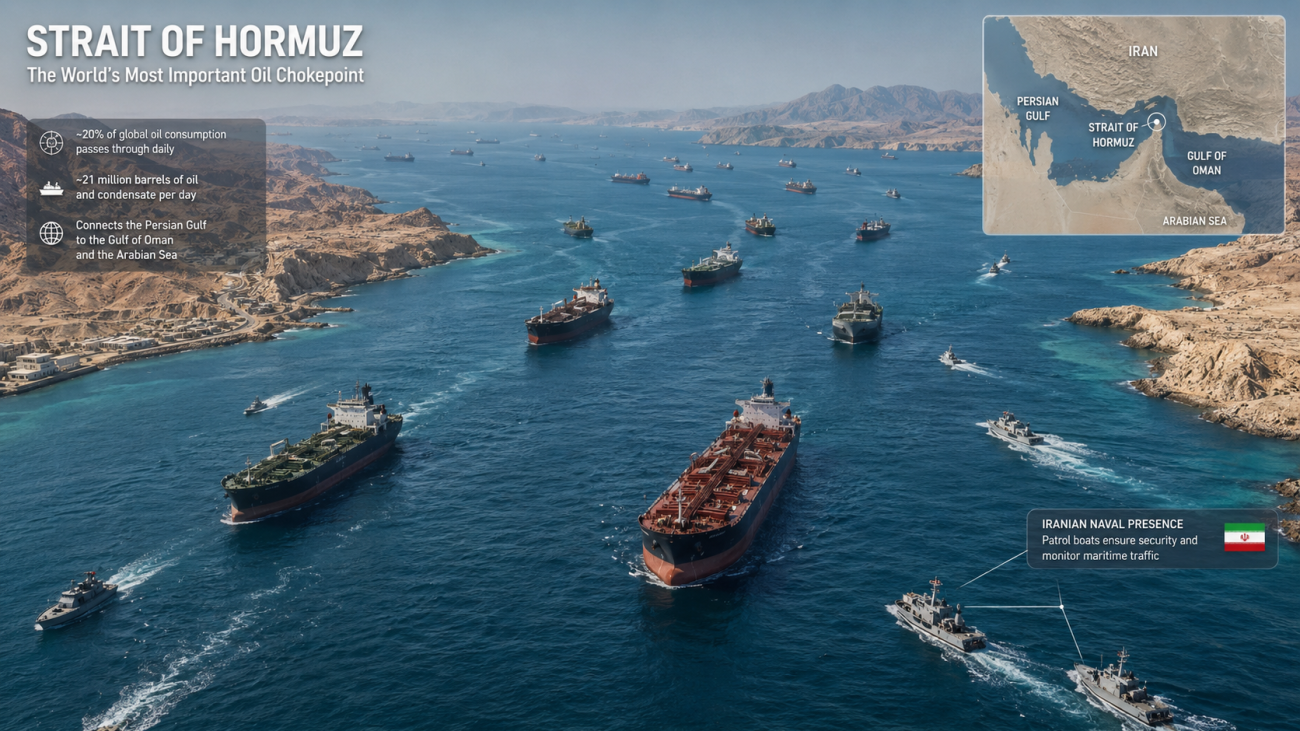
It is worth noting that, in response to US and Israeli attacks, Iran has kept the Strait of Hormuz closed for two and a half months, leading to fuel shortages and a sharp rise in prices.

trump

Trump Says US May Need Another Major Strike on Iran

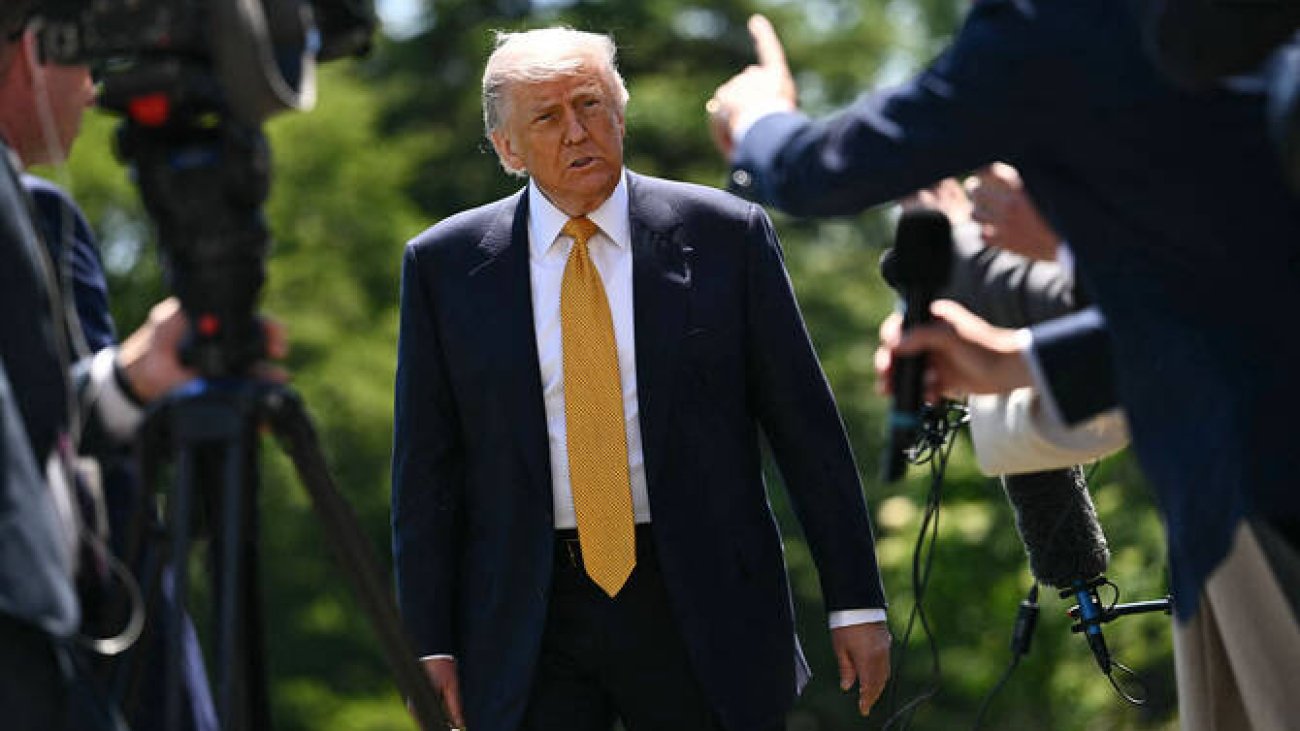
US President Donald Trump on Monday has said the United States may have to carry out another major attack on Iran, adding that he was only an hour away from deciding on such a strike.

Speaking to reporters during a visit to the new “ballroom” under construction at the White House, President Trump indicated that an important decision regarding Iran could be made in the coming days. He also claimed that Iran’s leadership was eager to reach an agreement and was in constant contact.

Trump said he had come extremely close to deciding on an attack on Iran but postponed it at the last moment. Referring to the possibility of further action, he said, “We may have to give Iran another major blow.”

“I cannot say anything with certainty on this matter right now, but we will know soon,” he added.

The US president said the situation regarding Iran could become clearer within the next two to three days — by Friday, Saturday, or early next week. He said time was short, but the United States would make a decision soon.

Trump again referred to his meeting with the Chinese president and claimed that China had promised not to provide Iran with any weapons or military assistance.

During the same interaction, President Trump also showed the media the construction work on the historic ballroom being built at the White House. He said taxpayers’ money was not being used for the project and that he was personally bearing all expenses.

Trump described the building as his gift to America, saying it would be “one of the most beautiful buildings ever built in Washington, D.C.”

Responding to a question about Cuba, President Trump expressed hope that an agreement could also be reached with the Cuban government.

“Cuba is calling us. They need help, and we will do it,” he said.

He added that Cuba was a failed state, but the United States could help it whether or not there was a change of government.

The Trump administration has previously described Cuba’s current communist government as corrupt and incompetent and has also indicated support for political change there.

A few days earlier, the US website Axios, citing American intelligence officials, claimed that Cuba, with the help of Russia and Iran, was preparing to identify targets and carry out drone attacks in response to possible US attacks. Cuban officials rejected the allegations, calling them an attempt to create a justification for attacks on Cuba.

Abnay-e-Harmuz

Iran Establishes Official Authority to Control Strait of Hormuz; Launches Presence on Social Media

Iran has announced that all ships passing through the Strait of Hormuz must obtain prior approval; otherwise, their passage will be considered illegal, and strict action will be taken.

According to international news agencies, Iran’s newly established body, the “Persian Gulf Strait Authority”, has created an official account on X (formerly Twitter).

In its first statement, the authority said that all ships entering the designated areas of the Strait of Hormuz must maintain full coordination with the Iranian Armed Forces and relevant agencies and obtain prior permission. The statement warned that vessels passing without authorization would be considered illegal and face strict measures.

It is noteworthy that Iran established the “Persian Gulf Strait Authority” in early May, with the purpose of regulating maritime traffic in the Strait of Hormuz, issuing permits for ships, and enhancing security monitoring.

According to international media sources, under the new system, each vessel must submit a detailed form before traveling, providing over forty pieces of information, including ship ownership, crew nationality, type of cargo, insurance, and destination.

Reports also suggest that some vessels may be required to pay fees or provide guarantees in Iranian currency.

Saudi–Pakistan-Defence-Pact

Pakistan Deploys 8,000 Troops, Fighter Jets to Saudi Arabia Amid Iran Tensions: Reuters

International News Agency Reuters has reported that Pakistan has deployed 8,000 troops, a squadron of fighter jets, and a Chinese HQ-9 air defence system to Saudi Arabia under a mutual defence agreement, significantly increasing military cooperation with Riyadh while serving as the main mediator in the Iran conflict.

The deployment, confirmed for the first time by three security officials and two government sources, is described as a substantial, combat-capable force intended to support Saudi Arabia in the event of further attacks. Pakistan’s military and foreign office, as well as Saudi Arabia’s government media office, did not respond to requests for comment.

The full terms of the defence agreement, signed last year, remain confidential. However, both sides have stated that it obliges Pakistan and Saudi Arabia to defend each other if attacked. Defence Minister Khawaja Asif has previously suggested that the pact places Saudi Arabia under Pakistan’s nuclear umbrella.

According to sources, Pakistan deployed a full squadron of around 16 aircraft, mostly JF-17 fighters co-produced with China, sent to Saudi Arabia in early April. Two security officials also confirmed the deployment of two squadrons of drones.

The 8,000 troops currently deployed are accompanied by a pledge to send additional forces if necessary. The Chinese HQ-9 air defence system, operated by Pakistani personnel, was also part of the deployment, with Saudi Arabia financing the equipment.

Security officials indicated that the military and air force personnel will primarily serve advisory and training roles during the ongoing Iran conflict. However, the deployment builds on thousands of Pakistani combat troops already stationed in the kingdom under prior agreements. One government source, familiar with the defence pact, noted that the agreement allows for up to 80,000 Pakistani troops to be deployed to Saudi Arabia to secure the kingdom’s borders alongside Saudi forces.

The pact also reportedly includes the deployment of Pakistani warships, though Reuters could not verify if any had arrived in Saudi Arabia. Officials emphasized that the scale of the deployment — including combat aircraft, air defence systems, and thousands of troops — far exceeds a symbolic or advisory mission.

Reuters had earlier reported that Pakistan sent jets to Saudi Arabia after Iranian strikes targeted key energy infrastructure, killed a Saudi national, and raised fears of major retaliation. This occurred before Islamabad became the principal mediator in the conflict, brokering a ceasefire between Washington and Tehran that has held for six weeks. Pakistan hosted the only round of U.S.-Iranian peace talks to date and had planned further sessions that were later canceled.

According to previous reporting, Saudi Arabia has conducted numerous unpublicized retaliatory strikes on Iran. Pakistan has historically provided military support to Saudi Arabia, including training and advisory deployments, while Riyadh has provided financial assistance to Islamabad during periods of economic stress.

04

EU Report Identifies Afghanistan-Based Daesh Khorasan as a Threat to Europe

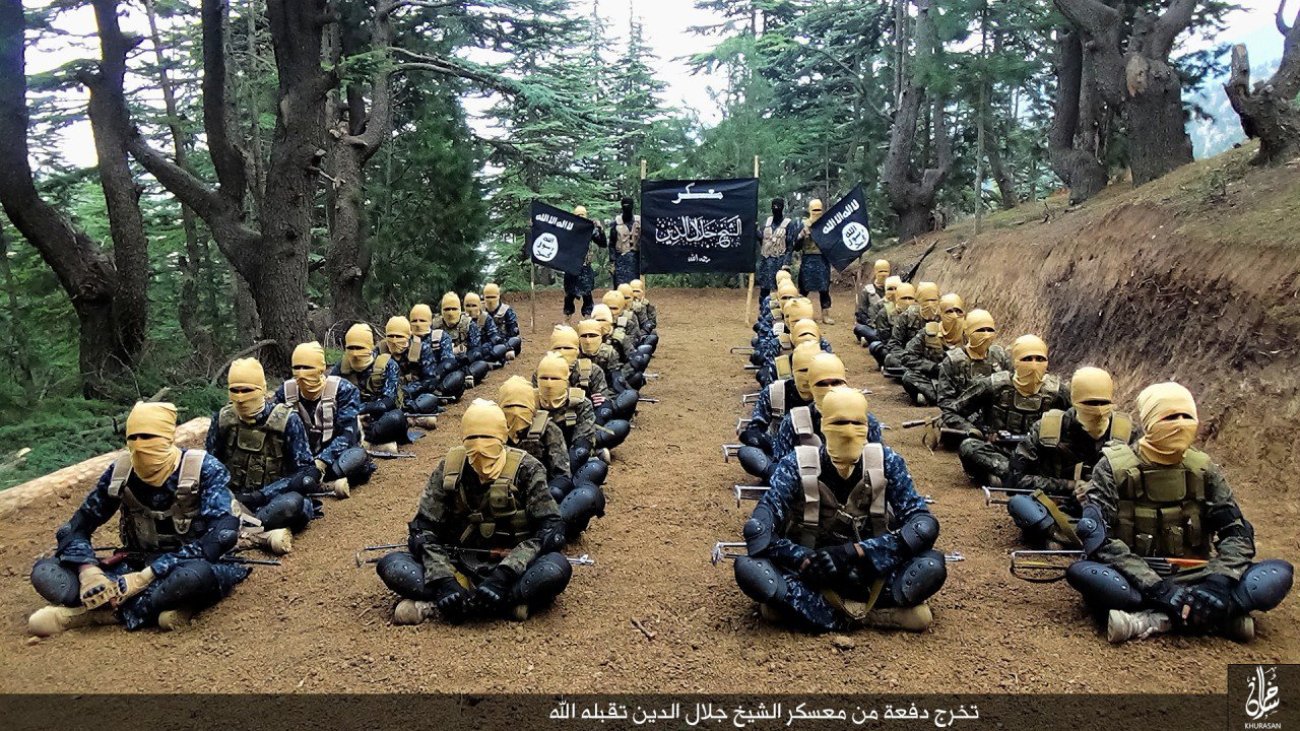
A European Union report has identified the Afghanistan-based terrorist organization Daesh Khorasan as a threat to Europe.

According to a 23-page confidential EU threat assessment report, terrorism and violent extremism remain serious threats to the European Union, and the threat level across the bloc remains high.

The report states that Daesh Khorasan, which is active in Afghanistan, is among the major external threats facing Europe.

It further says that Daesh Khorasan is particularly active in spreading online propaganda, with young people being its main target.

Field Marshal and Prime Minister

Pakistan’s Key Role in U.S.-Iran Ceasefire: U.S. Congressman Sends Letter Praising Prime Minister and Army Chief

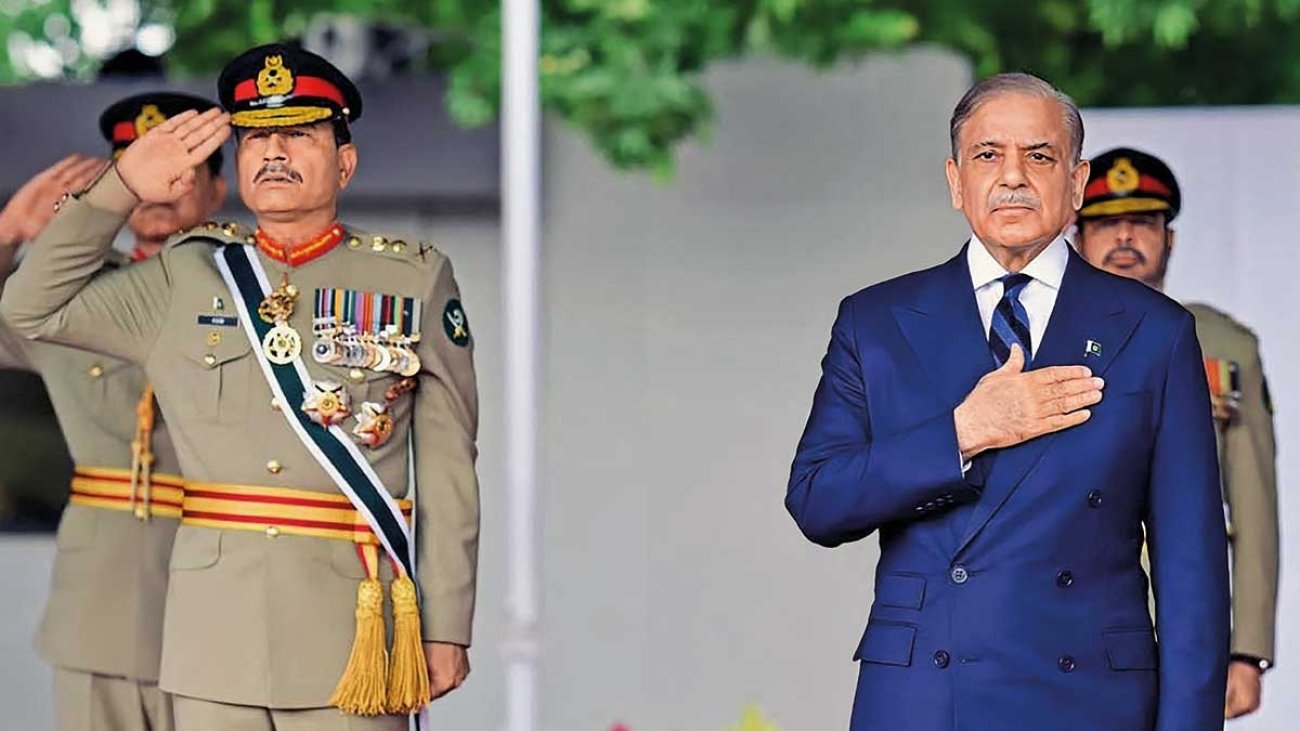
Pakistan’s pivotal role in facilitating a ceasefire between the United States and Iran has received widespread international acclaim. U.S. Congressman Jack Bergman sent a formal letter of appreciation to Prime Minister Shehbaz Sharif and Field Marshal Syed Asim Munir, recognizing Pakistan’s significant diplomatic efforts.

The letter, sent on behalf of the Congressional Pakistan Caucus, expressed sincere gratitude and lasting appreciation for the leadership of Pakistan’s political and military authorities.

Speaking as co-chairman of the Congressional Pakistan Caucus, Congressman Bergman stated that Pakistan’s success in bringing the U.S. and Iran to the negotiation table is a true testament to its statecraft and vision. He expressed heartfelt thanks for the guidance provided by Pakistan’s political and military leadership during the ongoing peace talks between the parties.

Bergman further emphasized that Pakistan-U.S. relations hold enduring strategic importance, highlighting the unique and positive diplomatic role Pakistan has played, which has been publicly acknowledged by both the White House and the U.S. Congress.

The Congressman also announced that he plans to visit Pakistan soon to further strengthen the strategic partnership between the two countries.

Abbas Aragchi

Pakistan-Mediated Talks with US Facing Difficult Phase: Abbas Araghchi

Iranian Foreign Minister Abbas Araghchi stated that the Pakistan-mediated negotiations with the United States are not yet failed, but the process is going through a difficult phase.

Speaking at a press conference in New Delhi, Araghchi said that Iran did not initiate the war but only acted in self-defense, and Tehran is trying to maintain the ceasefire.

He noted that the biggest obstacle in the talks is the behavior of the United States and the lack of trust between the two countries. According to him, Iran has received conflicting messages from Washington, which raises concerns about the U.S.’s intentions; however, he remains hopeful that diplomacy and wisdom will prevail.

The Iranian Foreign Minister clarified that Iran does not intend to acquire nuclear weapons and that its nuclear program is solely for peaceful purposes. He reminded that Iran had already provided evidence regarding this in the 2015 nuclear agreement.

On the situation in the Strait of Hormuz, Araghchi said that Iran is not responsible for existing obstacles there, though the presence of naval mines in some areas has complicated matters. He added that Iran is guiding vessels to safe passage and has assisted several Indian ships as well.

Regarding relations with Russia, he stated that Tehran and Moscow share a strategic partnership and maintain continuous communication on regional and global issues. He welcomed Russia’s proposal to transfer enriched uranium but clarified that this proposal is not being considered at present.

Araghchi further said that Iran appreciates every country willing to assist in the negotiations, with Pakistan’s mediation being an important effort in this regard.

russia1778768080-0-640x480

Russia Strengthens Ties with Taliban, Encourages Regional Cooperation

Russia is establishing a “full-fledged partnership” with Afghanistan’s ruling Taliban, urging other countries in the region to expand cooperation with Kabul, a senior Russian security official revealed on Thursday.

Last year, Russia became the first country to formally recognize the Taliban government, which seized power in August 2021, as US-led forces conducted a chaotic withdrawal from Afghanistan after two decades of war.

Sergei Shoigu, Russia’s Security Council Secretary, emphasized that cooperation with Kabul is essential for the security and development of the region. He described Russia’s relationship with the Taliban as a “pragmatic dialogue,” covering areas such as security, trade, culture, and humanitarian support.

Shoigu made these remarks during a meeting with counterparts from the Shanghai Cooperation Organisation (SCO), a 10-member group that includes China, India, Iran, Pakistan, and several former Soviet states.

“The SCO should revive its contact group with Afghanistan,” Shoigu added.

Notably, the Taliban were designated as a terrorist organization by Russia in 2003, but this ban was lifted in April 2025.

Russia sees the necessity of engaging with Kabul due to the increasing security threats posed by militant groups operating from countries stretching from Afghanistan to the Middle East.