Afghan Ambassador

Tensions Have Hurt Both Countries, Dialogue Is the Way Forward: Afghan Ambassador

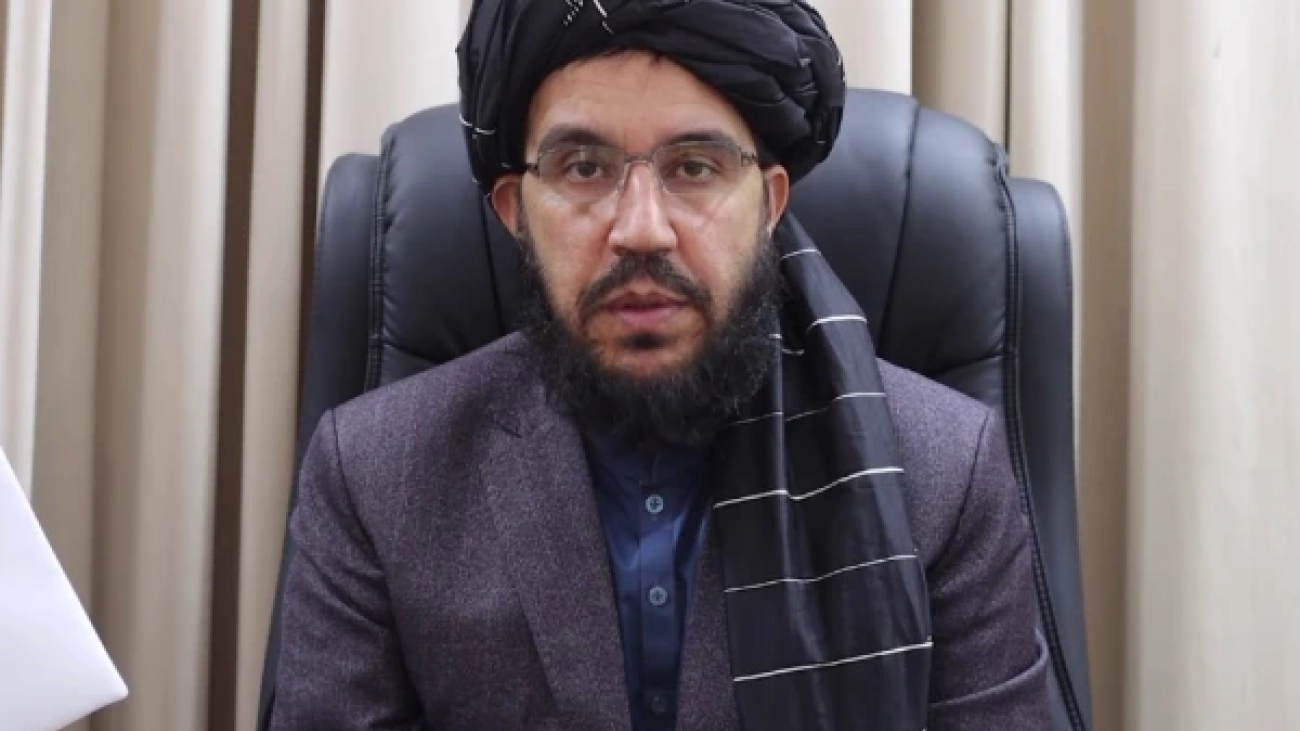
The Ambassador of the Islamic Emirate of Afghanistan to Pakistan, Sardar Ahmad Shakeeb, has said that the Afghan government wants to resolve all issues with Pakistan through dialogue.

According to Afghan media, Sardar Ahmad Shakeeb said in an interview with Tolo News that the current Afghan government’s policy is to settle all outstanding issues with Pakistan through talks.

He said that the issues between Kabul and Islamabad have affected both countries, while the continuation of tensions has had the greatest impact on the people on both sides.

Speaking to Tolo News, the ambassador said that the issues that have emerged are harmful to both parties. He said they damage bilateral relations and affect the lives of the people. He added that these issues can be resolved through dialogue and that it is the policy of the Islamic Emirate to believe in negotiations.

Meanwhile, political analysts say that maintaining dialogue and diplomatic channels can help prevent further tensions and create opportunities to expand political, economic, and trade cooperation between Afghanistan and Pakistan.

Also Read: Australian PM Calls for Transparent Investigation into Fatal Shooting of Child in Chakwal, Pakistan

Sheikh Hasina Wajid

Sheikh Hasina Wajid Declares She Will Return to Bangladesh This Year

Ousted and fugitive former Bangladesh Prime Minister Sheikh Hasina Wajid has announced that she will return to her homeland later this year.

Sheikh Hasina resigned and fled Bangladesh in August 2024 following intense protests led by a student movement against her government and subsequent restrictions. She traveled to India, where she has remained in exile ever since.

Now, after nearly two years, Sheikh Hasina Wajed has announced her decision to return to Bangladesh.

Speaking in an interview during her self-imposed exile, Sheikh Hasina said that she would overcome every obstacle and return to her homeland later this year.

Also Read: Budget 2026: 7% Salary and Pension Hike Announced for Government Employees

Untitled design (2)

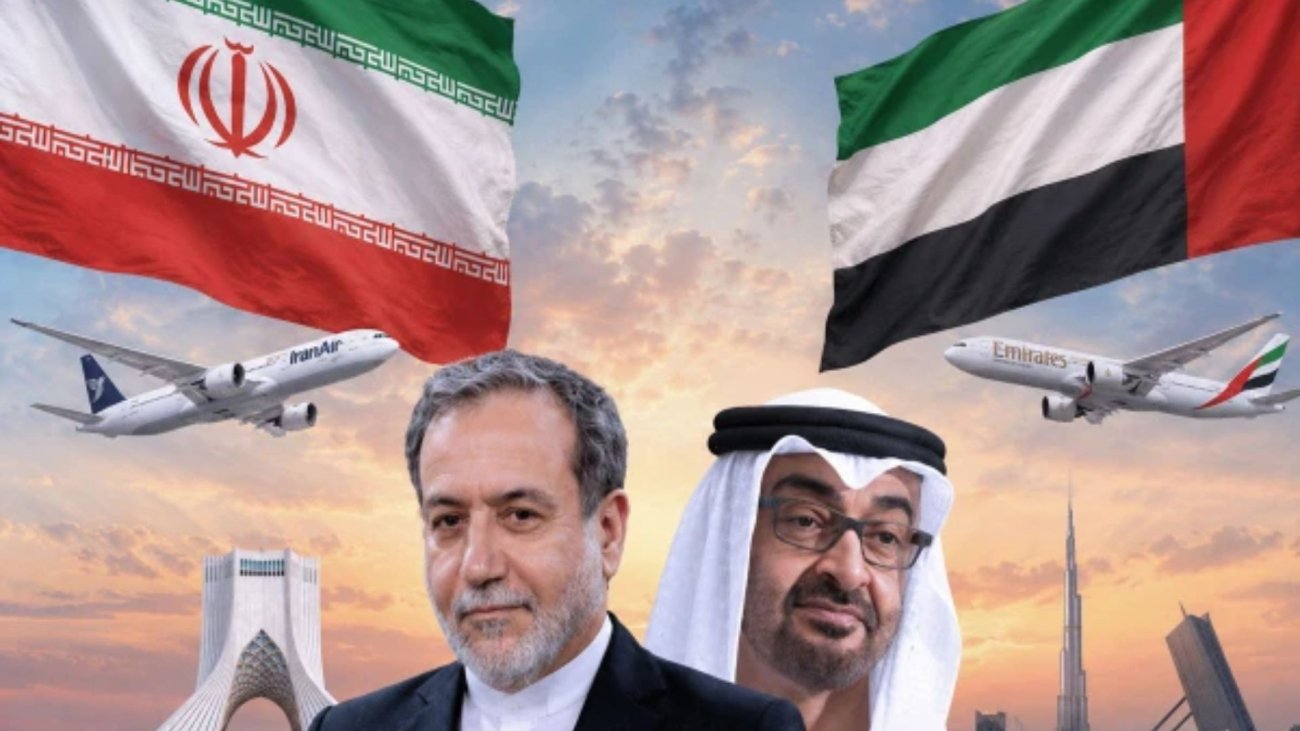
Iran Announces Resumption of UAE Flights from July 1 Following Ceasefire Agreement

Iran has announced the resumption of air travel with the United Arab Emirates from July 1 following the ceasefire agreement with the United States.

According to an international news agency, the announcement was made by the head of Iran’s Civil Aviation Organization, Majid Akhavan.

Akhavan said that aviation authorities from Iran and the United Arab Emirates have issued all the necessary technical and administrative approvals, removing the remaining obstacles to the restoration of flights.

He further stated that, in the initial phase, only Iranian airlines will operate flights between Tehran and Dubai. UAE and other international airlines will be allowed to operate on the route once the required arrangements have been completed.

According to Iranian authorities, the restoration of other international air routes is also under consideration. However, a final decision will be made only after approval from the relevant government institutions and in accordance with national security considerations.

Meanwhile, Dubai International Airport and Dubai Airports have advised passengers to check the latest status of their flights with their respective airlines before travelling.

Also Read: Iranian President Masoud Pezeshkian to Visit Pakistan Tomorrow, Hold Talks on Bilateral Ties

The statement also noted that changes to the schedules of some international routes remain possible due to the regional security situation.

It is worth noting that following the recent US-Israel war, Iran had temporarily suspended a large portion of its airspace and several international flights due to security concerns. These services are now being restored in phases after the ceasefire.

gcc-us-minitser-meeting-in-bahrain

US-GCC Statement Outlines Key Positions on Gaza, Iran and Hormuz

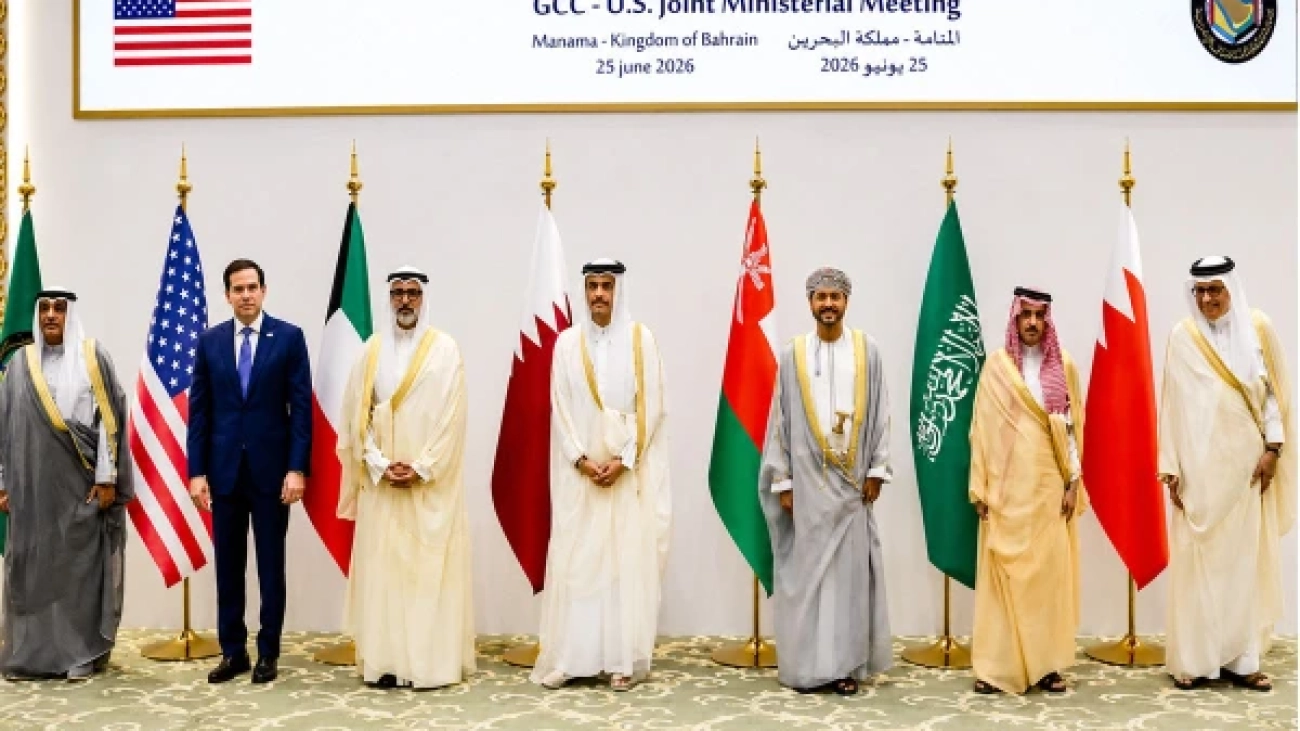
A joint communiqué issued after the United States-Gulf Cooperation Council (GCC) ministerial meeting in Bahrain outlined shared positions on regional security, Gaza, Iran, Lebanon, and the Strait of Hormuz.

According to the joint statement, participants welcomed the memorandum of understanding between the United States and Iran and praised the diplomatic mediation efforts of Pakistan and Qatar.

The communiqué rejected the forced displacement of Palestinians from Gaza, stating that no Palestinian should be compelled to leave the territory. It added that those who leave temporarily must be guaranteed the right to return. The statement also emphasized the uninterrupted delivery of humanitarian assistance and the protection of civilians.

The joint statement expressed support for the ongoing U.S.-mediated negotiations between Israel and Lebanon, saying the talks should continue despite other regional conflicts.

It further stressed that all non-state armed groups in Lebanon should be disarmed to ensure the country’s full sovereignty, and that only the Lebanese state should have the authority to use force. The participants also reaffirmed their commitment to continuing support for the Lebanese Armed Forces.

Also Read: US Military Announces End to Maritime Blockade of Iranian Ports

The GCC communiqué reiterated its opposition to Iran acquiring nuclear weapons, stating that Iran should never be allowed to develop such weapons.

The statement also expressed concern over Iran’s ballistic missile program, drone capabilities, and its allied armed groups in the region, commonly referred to as proxy networks. It said these issues should also be included in diplomatic negotiations.

The participants voiced support for free and secure maritime navigation through the Strait of Hormuz and rejected any attempts to impose tolls, fees, or control over the strategic waterway.

The joint communiqué reaffirmed the participants’ commitment to continued cooperation aimed at reducing regional tensions, respecting international law, pursuing diplomatic solutions, and promoting regional stability.

afghan taliban

Afghanistan Ranks Last in 2026 Children’s Rights Index

Afghanistan has ranked last among 194 countries in the 2026 Global Children’s Rights Index, raising serious concerns about the state of children’s welfare and fundamental rights in the country.

According to Xinhua, citing local broadcaster Tolo News, Afghanistan scored 0.214 points in the 2026 Global Children’s Rights Index, placing 194th out of 194 countries. The ranking represents the lowest global position in terms of the protection and promotion of children’s rights.

The report said that the situation of children’s rights in Afghanistan remains highly challenging, with significant difficulties affecting several key areas of children’s lives. These include access to healthcare services, educational opportunities, protection, and the provision of a safe environment.

The annual Global Children’s Rights Index assesses countries based on multiple indicators, including children’s health, education, protection, and living conditions. Its purpose is to evaluate how effectively countries protect children’s rights and promote their well-being in accordance with international standards.

Also Read: Iran Closes Strait of Hormuz, Cites Violations of Post-War Memorandum

According to experts, Afghanistan’s economic difficulties, humanitarian crisis, educational barriers, and limited access to basic services are having a profound impact on the condition of children. The report stressed the need for further measures to strengthen the protection of children’s rights and improve their quality of life.

The latest ranking comes at a time when the international community continues to express concern over the challenges facing humanitarian assistance, education, and healthcare in Afghanistan.

Venezuela

Twin Earthquakes Devastate Venezuela, Death Toll Reaches 167

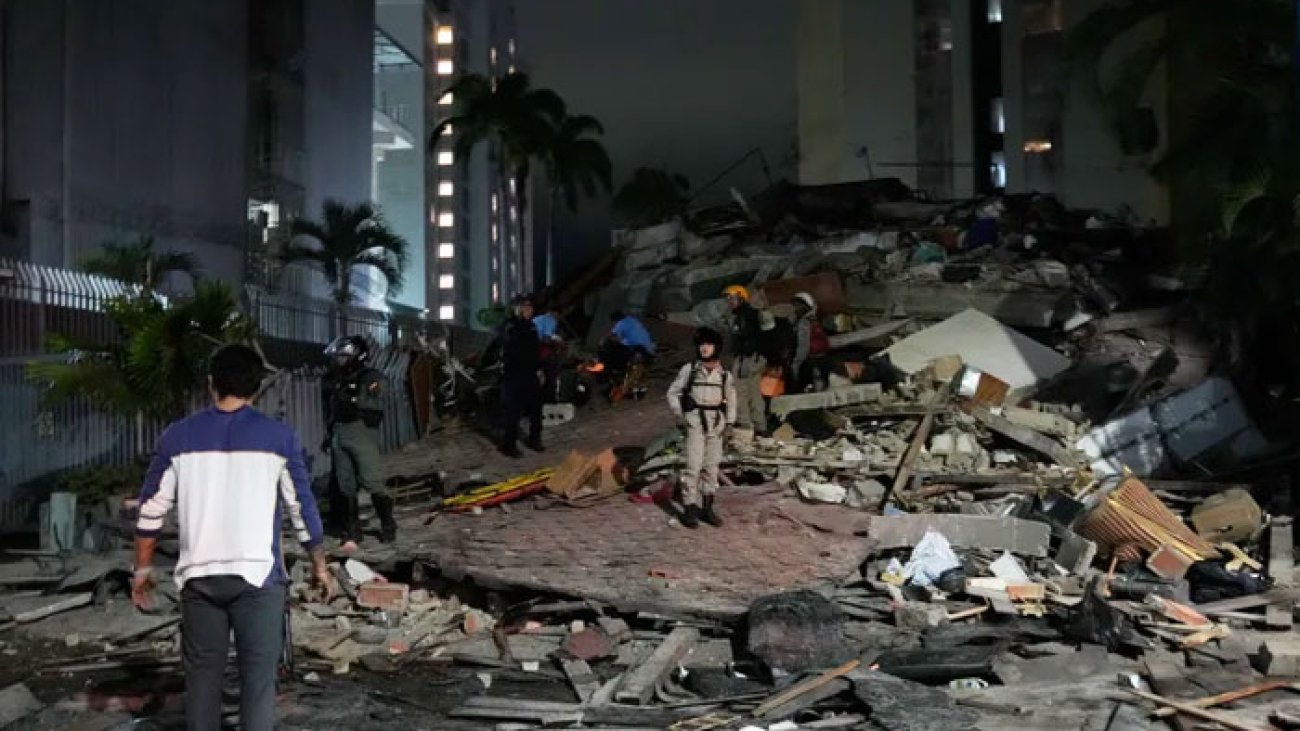
A series of powerful earthquakes struck Venezuela, causing widespread destruction across the country, with fears that the final death toll could rise significantly.

According to the United States Geological Survey (USGS), the first earthquake measured 7.1 in magnitude and was followed within minutes by a second, more powerful 7.5-magnitude earthquake. The earthquakes struck at around 6:00 p.m. local time, shaking buildings across the affected areas.

Reports said that dozens of buildings collapsed in several cities, including the Venezuelan capital, Caracas. Authorities fear that a large number of people remain trapped beneath the rubble.

Venezuela’s Acting President, Delcy Rodríguez, described the earthquakes as a national tragedy, stating that numerous buildings had been destroyed. She also confirmed that Caracas’ central Maiquetía Airport had sustained severe damage. According to official figures, 167 people have been confirmed dead, while more than 970 others have been injured.

Following the declaration of a state of emergency, the government launched large-scale rescue and relief operations across the affected regions.

Also Read: PM Shehbaz, Field Marshal to Attend Iran–US MoU Signing Ceremony in Geneva

The USGS has warned that the earthquakes could ultimately result in between 10,000 and 100,000 fatalities.

Meanwhile, a separate 5.6-magnitude earthquake struck northern California in the United States, prompting authorities to issue alerts to one million residents.

U.S. President Donald Trump said the initial reports from Venezuela were not encouraging and indicated that a large number of people had died. He added that U.S. agencies had been instructed to provide immediate assistance.

Separately, Iran expressed deep sorrow over the deadly earthquakes and offered to assist Venezuela with relief efforts. Iranian Foreign Ministry spokesperson Esmaeil Baghaei said Iran was prepared to provide all necessary assistance for humanitarian and rescue operations, adding that the country stands with the government and people of Venezuela during this difficult time.

Marco Rubio

Rubio Says No Country Can Impose Fees on Ships Passing Through Strait of Hormuz

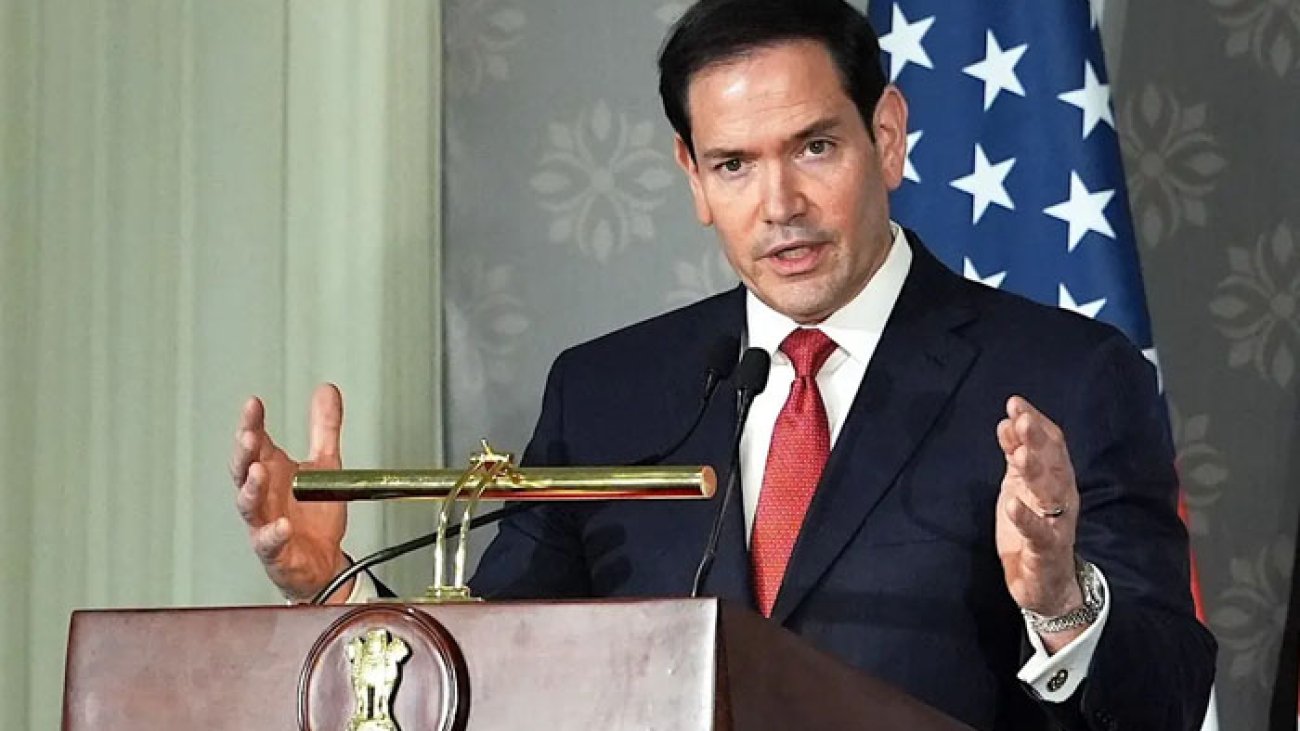
U.S. Secretary of State Marco Rubio has stated that no fees will be charged for vessels transiting the Strait of Hormuz, emphasizing that no country has the authority to impose taxes or tolls on ships passing through the strategic waterway.

Speaking after a meeting with leaders of the Gulf Cooperation Council (GCC) countries, Rubio said that GCC member states had opposed the imposition of toll taxes on vessels using the Strait of Hormuz.

He further said that any disruption to maritime traffic through the Strait of Hormuz would constitute a violation of the agreement. Rubio added that the proposed agreement with Iran would also include provisions to safeguard the security of Gulf allies.

The U.S. Secretary of State noted that Gulf countries had expressed several serious concerns during the discussions. However, he clarified that no talks were held with the Gulf states regarding a reconstruction fund for Iran.

Rubio also described Iran’s support for proxy groups in the region as an obstacle to peace.

Also Read: Iran Accuses World Cup Organisers of Unfair Restrictions, Vows FIFA Complaint

Commenting on transatlantic security, Rubio said that the refusal to provide military bases had weakened the U.S.-Europe alliance, adding that the threat posed by Iran was greater for Europe than for the United States.

He reiterated that every possible effort would be made to ensure the success of an agreement with Iran.

Lithuanian Prime Minister

Lithuanian Prime Minister Resigns Suddenly a Day After UK PM Steps Down

A day after the British Prime Minister resigned, Lithuania’s Prime Minister Inga Ruginen also stepped down from office on Tuesday.

According to media reports, Ruginen resigned from the post of prime minister during a period of mounting pressure from within her own Social Democratic Party.

In her farewell address at the final meeting of her cabinet, Ruginen described it as a difficult day. Referring to the challenges faced by her government in recent months, she said, “We have made many difficult decisions during this period.”

Her resignation comes after the partial collapse of the ruling coalition and less than a year after she assumed the office of prime minister.

Political analysts say the move places the country at a new political crossroads and highlights instability in Lithuania’s political landscape.

According to a Bloomberg News report, following Ruginen’s resignation, 42-year-old Jonava Mayor Mindaugas Sinkevičius is expected to assume the position.

Also Read: Supreme Court Upholds Death Sentence of Noor Mukadam Murder Convict Zahir Jaffer

Strait of Hormuz

Iran Closes Strait of Hormuz, Cites Violations of Post-War Memorandum

Iran has announced the closure of the Strait of Hormuz to all maritime traffic, with the country’s central military command, Khatam al-Anbiya Headquarters, saying the move was a response to alleged violations of the post-war memorandum of understanding by the United States and Israel.

According to Iranian officials, the decision was taken after what Tehran described as breaches of commitments made following the end of the war.

In an official statement issued on Saturday, Khatam al-Anbiya Headquarters said the United States had openly violated the first clause of the memorandum agreed upon to end the conflict, while Israel was continuing to violate the ceasefire in southern Lebanon.

The statement said these developments had led Iran to decide to close the Strait of Hormuz to ships and maritime trade routes.

Iran’s military command further stated that the move was the first step in response to what it called violations of commitments made by its adversaries.

The statement warned that Iran could take additional measures if the alleged aggression and violations of agreements continue, in an effort to compel the opposing parties to fulfil their obligations.

The Strait of Hormuz is considered one of the world’s most important maritime passages, serving as a major route for oil and gas exports from Gulf countries to international markets.

Also Read: Iran Accuses World Cup Organisers of Unfair Restrictions, Vows FIFA Complaint

Irani singer

Iranian Singer Reportedly Sentenced to 74 Lashes Over Performing Without Hijab

Iranian singer Parastoo Ahmadi and eight members of her production team have reportedly been handed severe punishments following an online musical performance broadcast in 2024, triggering concern among human rights advocates and artists worldwide.

According to foreign media reports, an Iranian court has sentenced the singer and members of her production team to 74 lashes, imposed a two-year ban on travelling abroad and barred them from participating in artistic activities for two years.

The reported action stems from a live concert in which the 29-year-old singer performed the patriotic song “Az Khoon-e Javanan-e Vatan” without wearing a hijab during a performance streamed on YouTube in December 2024. The video quickly went viral on social media and was later viewed by millions of people.

Reports said that Ms Ahmadi and several musicians were briefly detained shortly after the video was published but were later released. Authorities subsequently initiated formal legal proceedings over the publication of the performance.

Also Read: Iran Accuses World Cup Organisers of Unfair Restrictions, Vows FIFA Complaint

Human rights activists and lawyers who reviewed court documents said the artists had been charged with offences including producing and publishing content deemed to be “against public morality.” However, official sources within the Iranian judiciary have yet to formally confirm the verdict.

Despite the absence of an official confirmation, human rights organisations have expressed serious concern over the reported punishments.

Bahar Ghandehari, a representative of the US-based Center for Human Rights in Iran, said that sentencing a woman to 74 lashes merely for singing and appearing in public without a hijab raises serious questions about the human rights situation in the country.

According to her, the case demonstrates that restrictions on freedom of expression and artistic freedoms in Iran continue to persist.

Human rights lawyer Moein Khazaili also criticised the reported verdict, arguing that under Iranian criminal law, singing or performing music by women is not, in itself, a criminal offence. He said classifying such activities as immoral content appears to lack a legal basis.

Also Read: PM Shehbaz, Field Marshal to Attend Iran–US MoU Signing Ceremony in Geneva

Meanwhile, several artists, including British-Iranian actress Nazanin Boniadi and exiled Iranian actress Setareh Maleki, have spoken out in support of Parastoo Ahmadi.

Setareh Maleki said the singer’s performance had given her renewed hope and courage, adding that it demonstrated that Iranian women continue their struggle for rights and freedom.