Federal Constitutional Court Limits Lawyers’ Arguments to 10 Minutes to Speed Up Cases

Chief Justice of the Federal Constitutional Court Justice Aminuddin Khan has limited lawyers’ arguments to 10 minutes in a bid to expedite hearings and clear pending cases.

A stopwatch has been installed in the courtroom to ensure adherence to the time limit. The device will emit a beep once the 10-minute period allocated to a lawyer has ended.

Chief Justice Aminuddin Khan said setting a specific time for lawyers’ arguments would speed up hearings and help the court dispose of cases more quickly.

Under the new arrangement, each lawyer will be given 10 minutes to present arguments, with the stopwatch indicating when the allotted time has expired.

The measure is part of the court’s efforts to improve case management and accelerate judicial proceedings.

According to figures available on the Federal Constitutional Court’s official website, 23,409 cases are currently pending before the court, while 5,869 cases have been disposed of and 5,723 new cases have been filed.

The court has also included the use of modern technology among its institutional priorities to improve case management and the delivery of judicial services to the public.

Full Court Meeting Chaired by Chief Justice

A full court meeting chaired by Chief Justice Aminuddin Khan was also held on September 15, during which the court reviewed its performance during its first 10 months.

The meeting considered judicial, administrative and operational matters, as well as various measures, including the use of technology, to improve case management and provide better judicial facilities to the public.

Establishment of the Federal Constitutional Court

The Federal Constitutional Court was established in November 2025 under the 27th Constitutional Amendment and began performing its constitutional functions on November 13, 2025.

Justice Aminuddin Khan took oath as the first Chief Justice of the Federal Constitutional Court on November 14, 2025.

Before becoming Chief Justice of the Federal Constitutional Court, Justice Aminuddin Khan served as a Supreme Court judge for nearly six years. He subsequently headed the Constitutional Bench established under the 26th Constitutional Amendment.

Before his appointment to the Supreme Court, Justice Aminuddin Khan served as a judge of the Lahore High Court from 2011 to 2019.

Justice Aminuddin Khan also headed a six-member Supreme Court bench hearing intra-court appeals concerning cases of civilians being tried by military courts in connection with the May 9 events.

Justice Aminuddin Khan, who is from Multan, began practicing as a High Court lawyer in 1987 and became a Supreme Court lawyer in 2001. During his legal practice, his primary area of work was civil litigation.
ajk-new-president1790238765-0-600x450

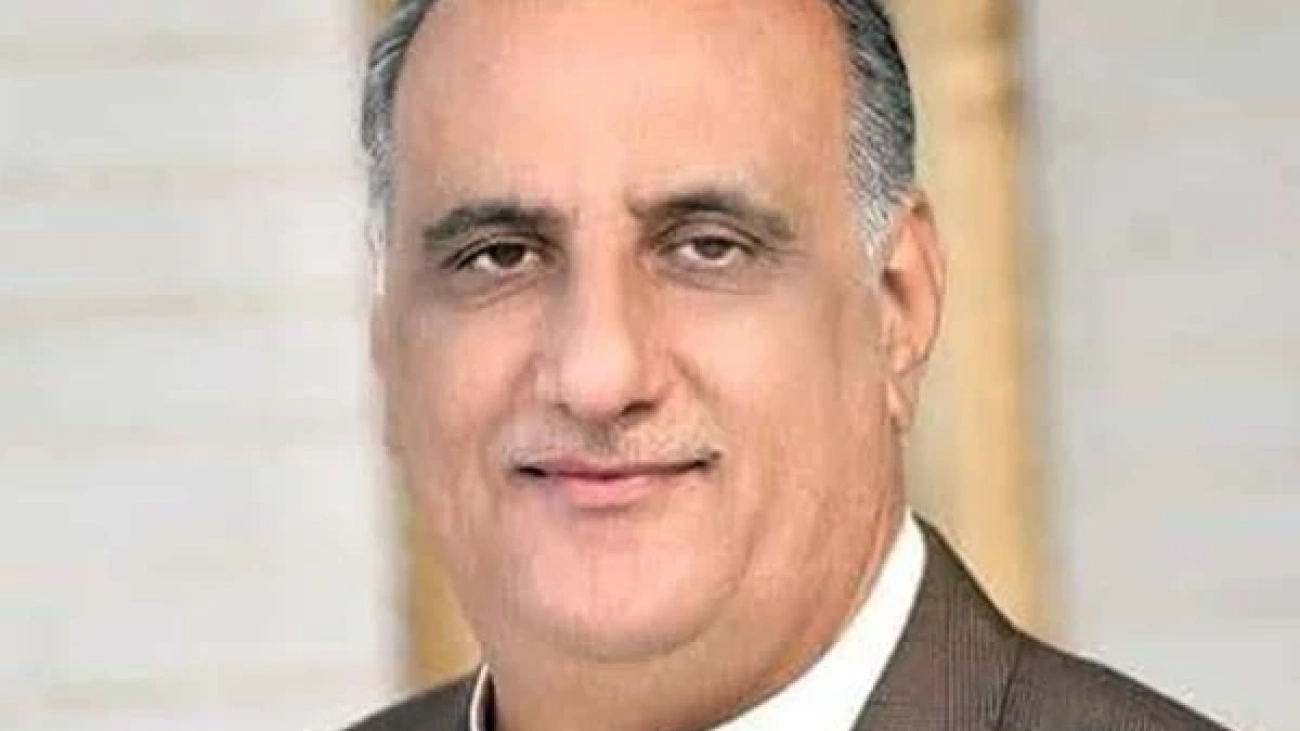
PML-N’s Dr Najeeb Naqi Elected President of Azad Kashmir

MUZAFFARABAD: Pakistan Muslim League-Nawaz (PML-N) candidate Dr Najeeb Naqi has been elected the 25th President of Azad Jammu and Kashmir after securing 32 votes.

Dr Najeeb Naqi emerged victorious in the presidential election, while Pakistan Peoples Party (PPP) candidate Chaudhry Latif Akbar received 13 votes. One member of the Azad Jammu and Kashmir Legislative Assembly remained absent.

A total of 45 members of the Azad Jammu and Kashmir Legislative Assembly participated in the presidential election, with polling continuing until 1:00 pm.

Invitations have also been issued for the presidential election and the swearing-in ceremony of the newly elected president. Dr Najeeb Naqi will take the oath of office today.

Meanwhile, Prime Minister Shehbaz Sharif congratulated Dr Najeeb Naqi on his election as President of Azad Jammu and Kashmir and expressed his best wishes for him.

The prime minister said Dr Najeeb Naqi’s election reflected the confidence of the people of Azad Jammu and Kashmir.
He expressed hope that the newly elected president would perform his responsibilities effectively and play a constructive role in the development, prosperity and public welfare of Azad Jammu and Kashmir.

Prime Minister Shehbaz Sharif also reaffirmed the federal government’s commitment to extending full cooperation for the development and prosperity of the people of Azad Jammu and Kashmir.

Punjab Chief Minister Maryam Nawaz Sharif also congratulated Dr Najeeb Naqi on being elected the 25th President of Azad Jammu and Kashmir and expressed her best wishes for him.

Also Read: Atta Tarar Says Violent Group Failed to Undermine AJK Elections, Vows to Protect Kashmir Cause

Islamabad Police

Islamabad Police Assures High Court PTI Leaders Will Not Be Harassed, Court Disposes of Petition

ISLAMABAD: Federal police officials have informed the Islamabad High Court (IHC) that Pakistan Tehreek-e-Insaf (PTI) leaders have not been harassed and will not be harassed in the future.

Justice Inam Amin Minhas heard a petition filed against the alleged harassment of PTI leaders Malik Aamir, Shoaib Shaheen and others ahead of a long march.

During the hearing, SSP Operations Qazi Ali Raza and DSP Legal Sajid Cheema appeared before the court in compliance with its orders.
Police officials maintained before the court that the police had neither harassed the petitioners nor would they do so in the future.

The officials further informed the court that if a first information report (FIR) is registered against anyone, the police take action in accordance with the law.

Subsequently, the Islamabad High Court disposed of the petition after the police officials assured the court that the petitioners would not be harassed.

Also Read: Sindh High Court Forms Judicial Commission to Probe Mir Raza Murder Case

KP Assembly

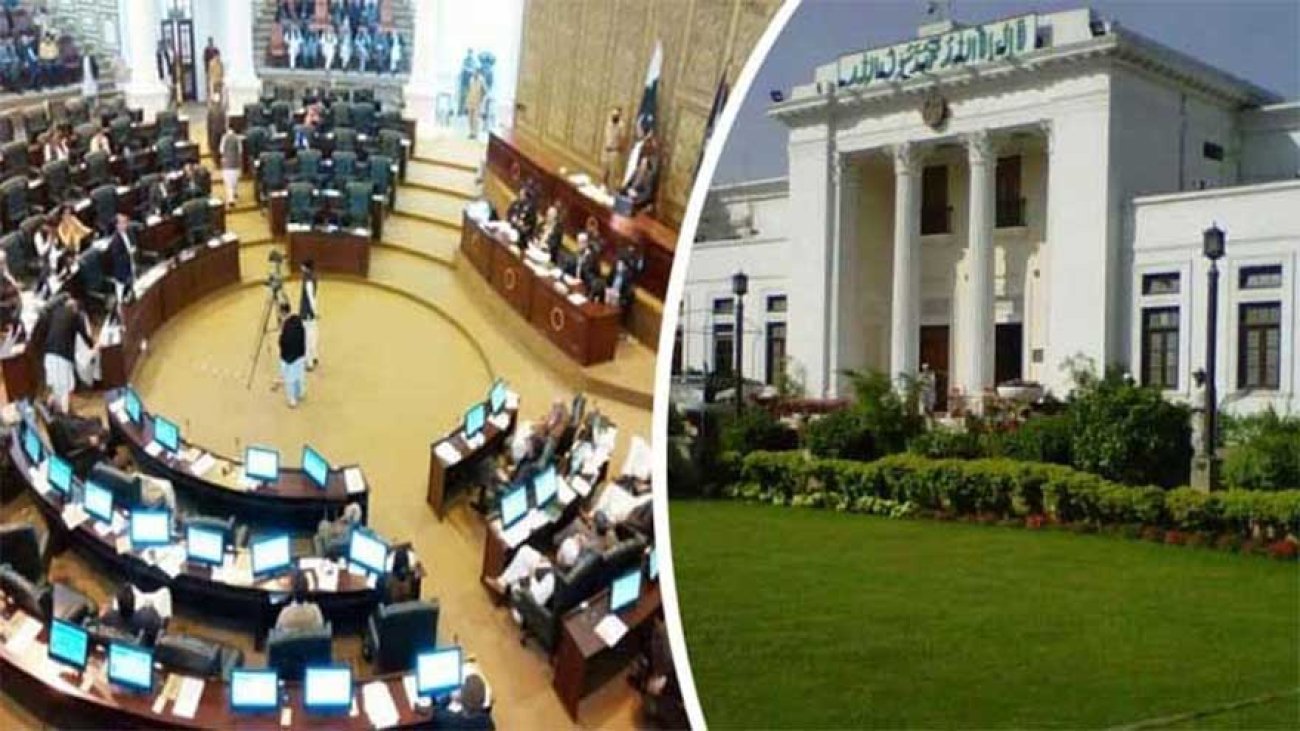
KP Cabinet Approves New Police Act, CM to Have Authority Over IG Appointment

The Khyber Pakhtunkhwa cabinet has approved a new police act, under which the chief minister will have the authority to appoint the inspector general of police (IG).

Under the proposed Police Act, if the provincial government is not satisfied with the IG’s performance, it can seek additional names from the federal government for his replacement. The provincial government will also have authority over postings and transfers.

The home secretary will be authorised to transfer deputy superintendents of police (DSPs) and assistant superintendents of police (ASPs), while the chief minister will have the authority to transfer superintendents of police (SPs), senior superintendents of police (SSPs) and additional inspectors general (AIGs).

The chairmanship of the Police Policy Board has also been transferred from the IG to the Khyber Pakhtunkhwa chief minister.

The chief minister will also have the authority to formulate the police’s operational, administrative and financial policies.

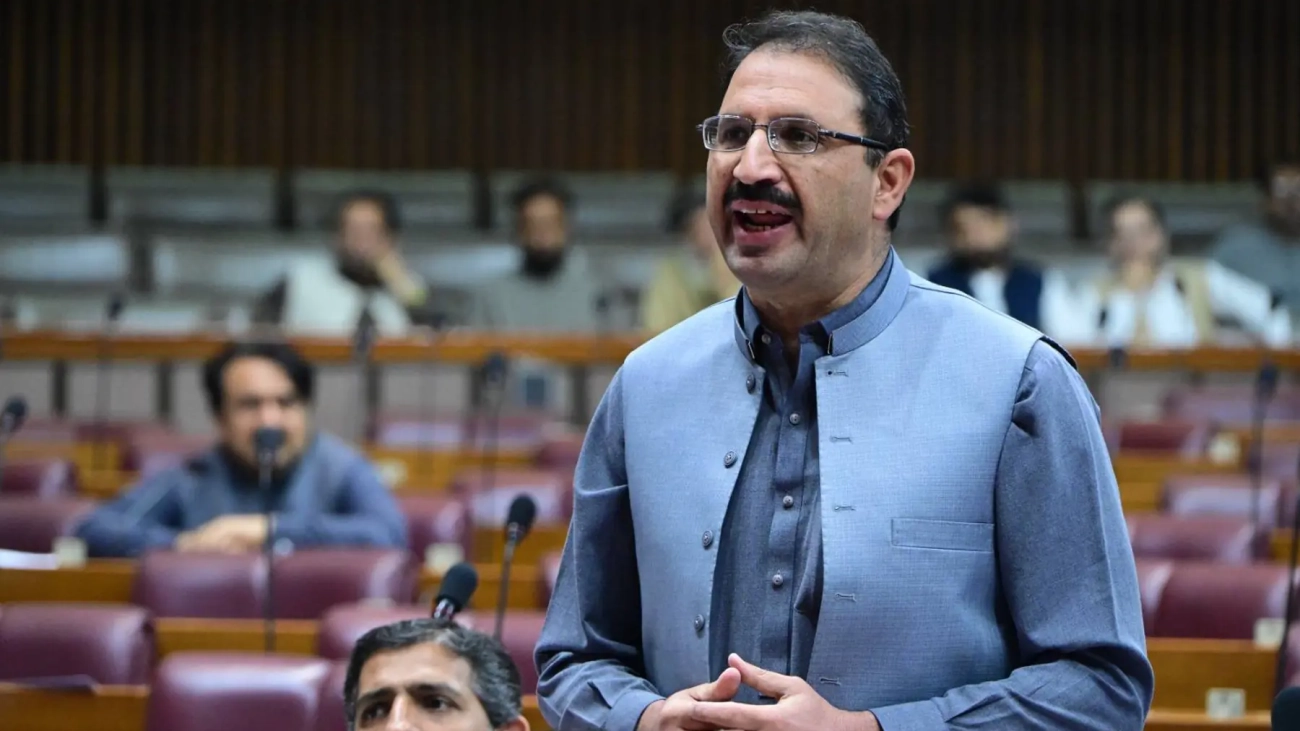
According to Provincial Information Minister Shafi Jan, the purpose of the new police law is to make the police more accountable to the public. Regional investigation officers will be appointed to strengthen the police investigation system, while police policy and operational matters will be separated.

Also Read: KP IGP Directs Police Officers Not to Facilitate PTI March, Rally Towards Islamabad

Shafi Jan said the new law would create more opportunities for police officers in terms of promotions and career progression. An accountability system based on performance will also be introduced for the provincial police officer.

Senior KP police officers had previously expressed reservations about the Police Act.

According to sources, KP Inspector General of Police Zulfiqar Hameed has maintained that the Peshawar High Court had already declared amendments relating to the withdrawal of powers from the IG null and void.

Toshakhana

Federal Government Issues New Toshakhana Management and Regulation Rules 2026

The federal government has further tightened the rules governing the Toshakhana and issued a notification introducing new regulations.

The Cabinet Division has issued the notification for the Toshakhana Management and Regulation Rules 2026. Under the new rules, the acceptance of gifts by officials other than the president and prime minister will be discouraged.

All gifts currently held by and received by the Toshakhana will be auctioned, while proceeds from the auctions will be spent on girls’ education in underdeveloped areas.

According to the notification, all gifts received by the Toshakhana will undergo a third-party audit every financial year. All gifts will be sold through open public auctions, while culturally, historically and diplomatically sensitive gifts will not be auctioned.

Auctions will preferably be held twice a year and at least once annually. Government officials and their families will not be allowed to participate in the auctions. The auctions will also receive direct media coverage.

Under the new rules, a committee headed by the Cabinet secretary will be established to make decisions regarding gifts. Additional secretaries of the Finance, Foreign Affairs, Law and Culture divisions will be members of the committee.

The committee will determine which gifts are to be auctioned and which have historical significance.

Also Read: New Toshakhana Rules Require Public Officials to Declare Gifts Within 30 Days

According to the notification, if accepting a gift is unavoidable due to diplomatic protocol, it must be deposited with the Toshakhana within 30 days. In the case of an overseas visit, the gift must be deposited within 30 days of return, while gifts arriving on a separate aircraft will have a 60-day deadline.

Employees in grades 1 to 4 will be allowed to retain cash awards. A complaint will be filed in court if a gift is not deposited within the prescribed period.

The market value of gifts will be determined by the Federal Board of Revenue (FBR) and private valuers. If there is a difference of more than 25 percent between the two valuations, the opinion of a third valuer will be considered final.

Artificial intelligence (AI) may also be used as a reference for determining the value of gifts, while the Pakistan Ordnance Factories (POF), Wah, will determine the value of weapons.

The notification further states that the security of the gifts will be entrusted to a Grade-20 officer. CCTV cameras and locking arrangements have been made mandatory in the Toshakhana storeroom.

The record and photographs of all gifts will be published on a web portal. However, the name of the person and country presenting a gift will not be disclosed on the portal.

Internet-shutdown-780x470

Mobile Phone Services to Remain Suspended on Sept 26-27

Mobile phone and internet services will be suspended in Islamabad, Rawalpindi and parts of Attock on September 26 and 27 in view of the possible long march by Pakistan Tehreek-e-Insaf (PTI).

According to details, the decision to suspend mobile phone services has been taken as part of security measures in the twin cities of Rawalpindi and Islamabad and Attock district.

Sources said mobile phone and internet services would remain suspended in areas of Islamabad, Rawalpindi and Attock on September 26 and 27.

Sources said the suspension of mobile services had been discussed in detail at a high-level security meeting held five days ago. The meeting also considered decisions to close motorways, the Grand Trunk Road and other important routes in order to maintain law and order and address security concerns. A decision has now been taken to implement the suspension of mobile services.

Also Read: Mobile Tariffs Rose by Up to 22% in One Year: PTA

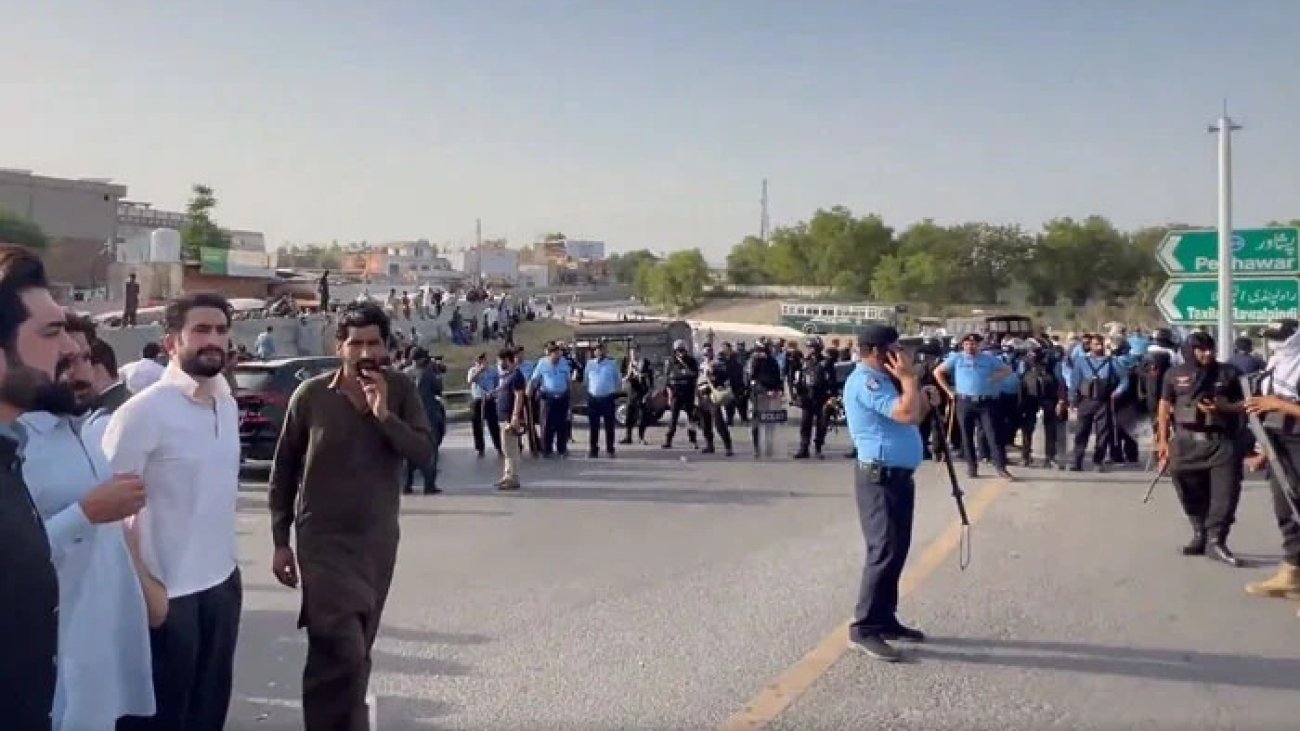
Meanwhile, traffic restrictions have been imposed on key routes leading towards the federal capital ahead of the expected long march.

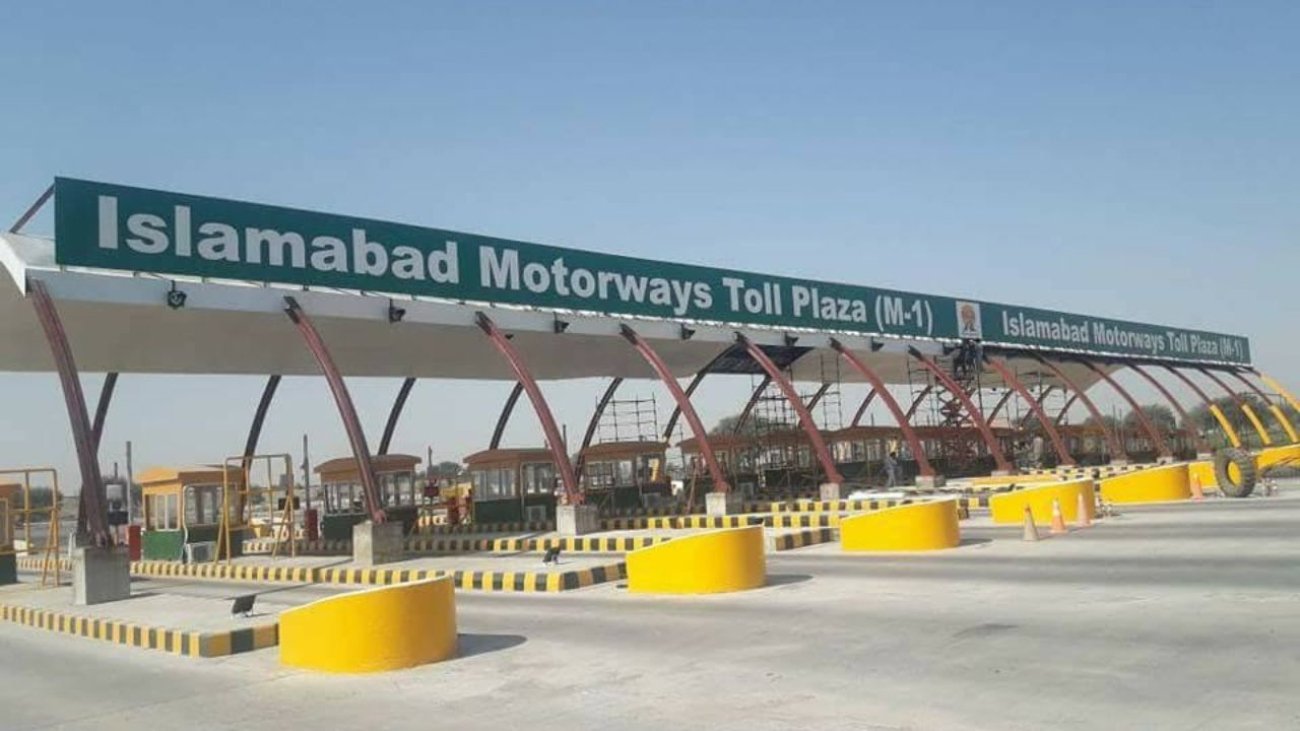
According to the National Highways and Motorway Police, Motorway M-1, M-14 and GT Road N-5 are being closed in both directions at various points from Wednesday evening.

Motorway M-1 will remain closed in both directions from the Islamabad Toll Plaza to Chachh Interchange, while M-14 will be closed from Hakla to Kundal. The GT Road is also being closed to traffic in both directions at Attock Khurd.

The measures are being taken ahead of the expected arrival in Islamabad of protest convoys led by the Khyber Pakhtunkhwa chief minister on September 27.

Junaid Akbar

Case Registered Against PTI Leader Junaid Akbar Over Alleged Hate Speech

ISLAMABAD: A case has been registered against Pakistan Tehreek-e-Insaf (PTI) leader Junaid Akbar over alleged hate speech.

National Cyber Crime Agency has registered the case against Junaid Akbar over alleged hate speech.

According to the case text, hate and provocative speech was circulated through various social media accounts. It alleged that Junaid Akbar threatened to damage government property.

Junaid Akbar had allegedly threatened to turn Islamabad into “Somnath” if the government opened fire during the September 27 long march.

Addressing party workers, Junaid Akbar had said they would not enter Islamabad through only one route, but would also travel via the motorway and descend from the Margalla Hills.

Also Read: Islamabad Police Seeks 16,000 Personnel from Punjab for Possible PTI Long March

The PTI leader had said that during the previous protest, they considered the state as a mother but did not know that it could open fire. He said they had not been in a position to protest at that time, and had returned after carrying the bodies.

He further said that this time they knew the state would open fire and that they would not remain silent after carrying the bodies. He said that if such an incident occurred, they would carry the bodies while new people would come forward, adding, “I make you witnesses that we will turn Islamabad into Somnath.”

Nauman-Mehmood-news

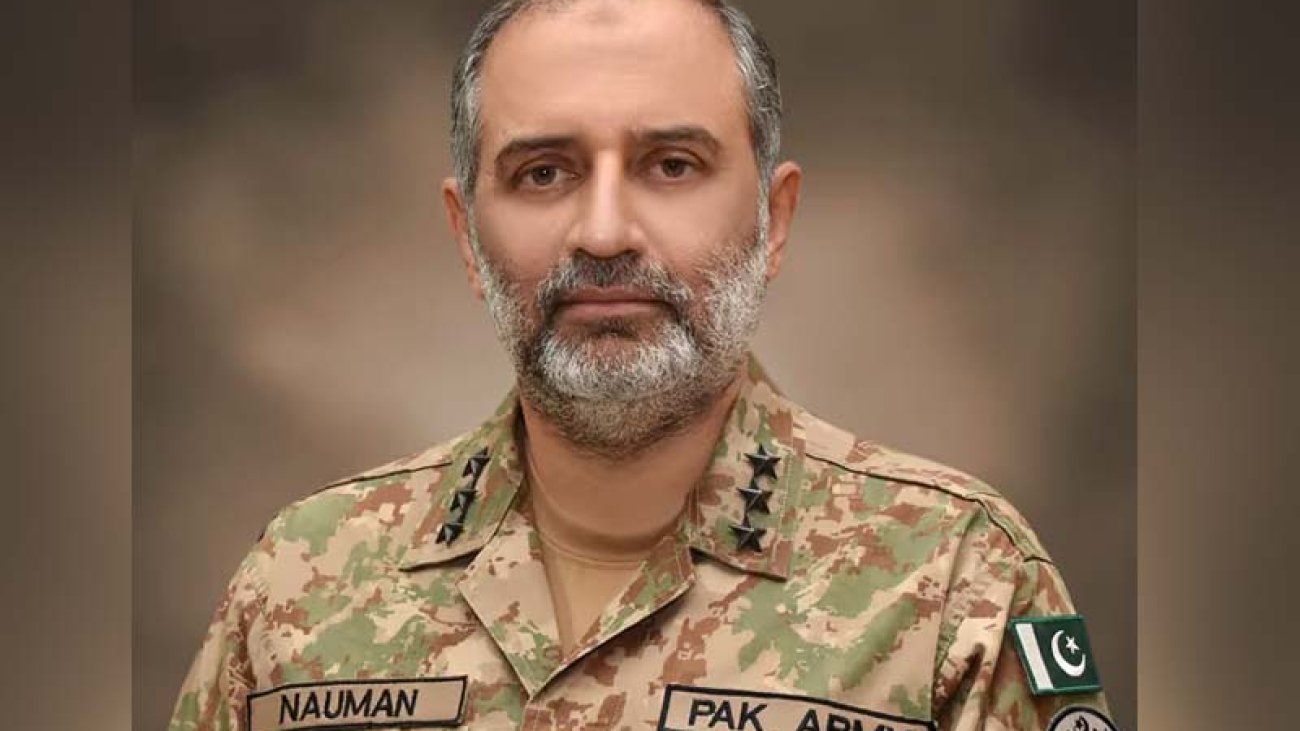
Lt Gen (retd) Nauman Mahmood Appointed First Secretary General of Makkah Joint Defence Agreement

Lieutenant General (retd) Nauman Mahmood has been appointed the first secretary general of the Makkah Joint Defence Agreement.

According to the Foreign Office spokesperson, Nauman Mahmood will lead the allied general secretariat to be established in Riyadh.

According to details, the joint defence agreement between Pakistan and Saudi Arabia was signed on September 17, 2025, during Prime Minister Shehbaz Sharif’s visit to Saudi Arabia. The agreement was signed by the Pakistani prime minister and the Saudi Crown Prince at Qasr Al-Yamamah.

Turkey later joined the agreement, with a signing ceremony held in Makkah, Saudi Arabia. Prime Minister Shehbaz Sharif, Turkish President Recep Tayyip Erdogan and Crown Prince Mohammed bin Salman signed the agreement.

Under the Makkah Joint Defence Agreement, an attack on any one of the three countries will be considered an attack on all three countries.

Also Read: Govt Announces Rs5 Million Compensation for Families of PIMS Fire Victims

Motorway

Islamabad-Peshawar Motorway to Remain Closed Until Further Notice

The Peshawar-Islamabad M-1 Motorway will remain closed from Wednesday evening until further notice, according to the Motorway Police.

A Motorway Police spokesperson said the M-1 would remain closed to traffic from the Islamabad Toll Plaza to the Chachh Interchange from Wednesday evening. The Islamabad Toll Plaza, Fateh Jang, Tarnol and Sangjani interchanges will also remain closed.

The spokesperson said the Brahma Bahtar, Burhan, Hazara Motorway, Ghazi and Chachh interchanges would also be closed.

According to the Motorway Police, the M-14 motorway will remain closed to traffic in both directions from Hakla to Kundal. The Hakla, Fateh Jang, Pindi Gheb, Kharpa, Tarap and Daud Khel interchanges will also remain closed.

The Motorway Police said the Kot Balian, Isa Khel and Kundal interchanges would also remain closed.

The GT Road N-5 will also be closed to traffic at Attock Khurd from Wednesday evening.

According to state television, the Lahore-Islamabad M-2 motorway will remain open to all traffic. However, citizens from Islamabad, Rawalpindi and other districts have been advised to avoid travelling on the M-1 motorway.

Also Read: KP IGP Directs Police Officers Not to Facilitate PTI March, Rally Towards Islamabad

Hafiz Naeem

Jamaat-e-Islami Defers Long March Until First Week of October After PM’s Request

Jamaat-e-Islami has deferred its ongoing long march towards Islamabad until the first week of October following Prime Minister Shehbaz Sharif’s request and assurances of providing relief to the public.

The participants of the march will remain stationed in Multan, while the party’s workers will remain active until a meeting with the prime minister.

Speaking at a press conference in Multan, Jamaat-e-Islami Emir Hafiz Naeemur Rehman said the prime minister had requested the postponement of the march. Following consultations, he said, the party decided to suspend the march until the first week of October.

He said the government was being given an opportunity until the meeting with the prime minister.

Hafiz Naeemur Rehman said the long march would continue and Jamaat-e-Islami would not withdraw from its movement. He said the party’s agenda was public relief, adding that if the government provided relief, the matter would proceed accordingly; otherwise, the first week of October remained the deadline.

He said the participants would remain camped in Multan and, if the government failed to provide adequate relief, the march would resume from the same city.

The Jamaat-e-Islami emir said the decision had not been easy, but the prime minister had personally contacted the party, prompting consultations before the decision was taken. He added that the workers would remain mobilised.

Hafiz Naeemur Rehman said the government would be asked to provide a written assurance and that Jamaat-e-Islami would not withdraw its demands. He added that a policy of merely delaying the matter would not be accepted.

Also Read: Jamaat-e-Islami to Hold Nationwide Protest on Aug. 7 Against Petroleum Levy: Hafiz Naeemur Rehman