ISLAMABAD: Following Interior Minister Mohsin Naqvi’s recent important visit to Iran, Pakistan has said efforts are continuing to bring the parties back to the negotiating table and that Iran-US talks could resume at any time with the consent of both sides.
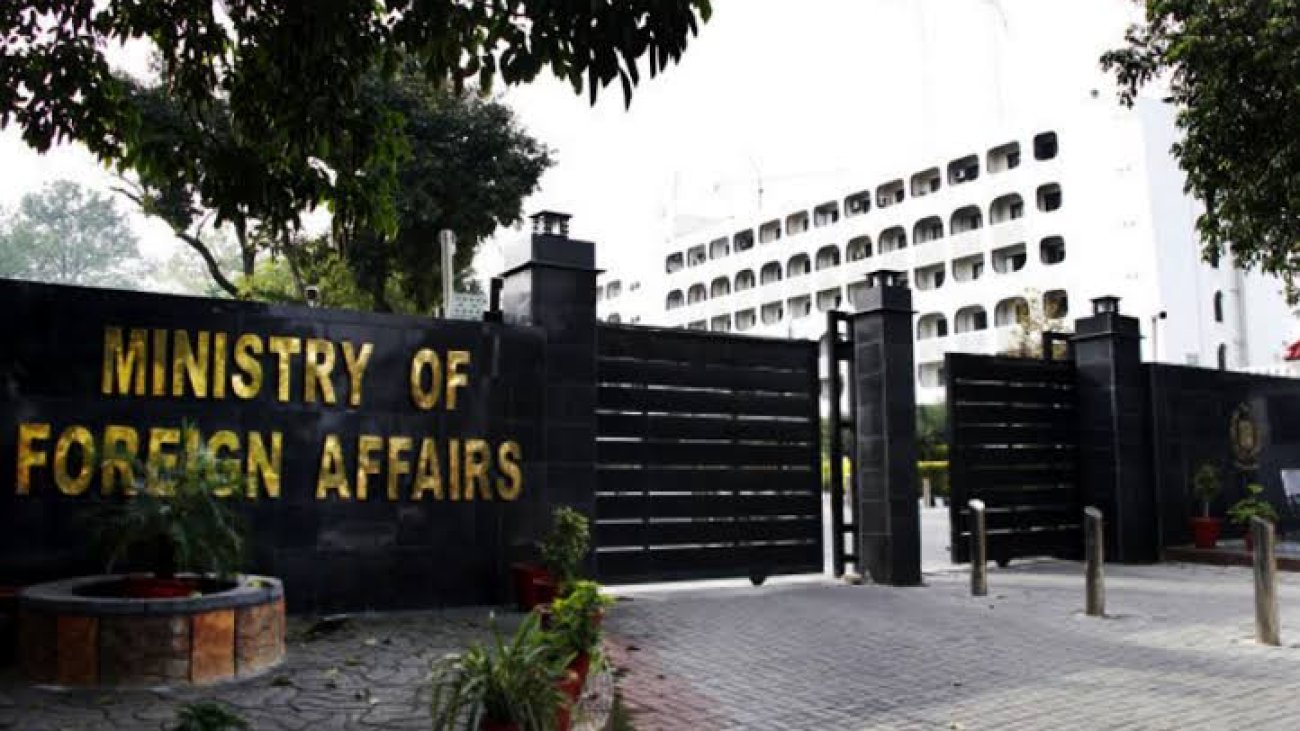
During his weekly press briefing, Foreign Office spokesperson Tahir Hussain Andrabi said the August 7 Makkah Agreement was purely defensive in nature and aimed at jointly addressing the security situation in the region.
He said Pakistan was using all direct and indirect channels to implement the Islamabad Memorandum of Understanding and bring the parties back to the negotiating table. Pakistan remained hopeful about its role as a mediator for peace between the United States and Iran.
The spokesperson said talks in Islamabad could resume at any time with the consent of the parties. He added that Pakistan had already made its position clear regarding the Islamabad Memorandum of Understanding.
Although the memorandum might not have been fully implemented, Andrabi said it remained the basic framework for peace.
He said the ceasefire could be extended with the consent of the parties, which could pave the way for the resumption of negotiations.
Also Read: Iranian Presidency Accuses State Broadcaster of Censoring President Pezeshkian’s Interview
Speaking about the Makkah Agreement, the spokesperson said Pakistan had fulfilled all legal requirements for the agreement and the prime minister had signed it as Leader of the House.
He said there was no question of any relevant institution not being taken into confidence. Andrabi also rejected reports of differences among state institutions over the Makkah Agreement, strongly denying such an impression.
The spokesperson said Bahrain’s foreign minister had expressed an intention to visit Pakistan, which was welcomed by Foreign Minister Ishaq Dar.
He also said Interior Minister Mohsin Naqvi was visiting Iran to discuss further strengthening relations between the two countries. However, Andrabi said he was not aware of any special message being conveyed during the visit.